

Prevalence
530M+ people
Common in
Adults & Seniors
Category
Endocrine Disorders
ICD-10 Code
E10 - E14
Type 1 Diabetes
The body does not produce insulin. It usually develops in children, teenagers or young adults.
Type 2 Diabetes
The body does not use insulin well. It is the most common type and usually develops in adults.
Gestational Diabetes
High blood sugar that develops during pregnancy and usually disappears after delivery.

Family history of diabetes
Overweight or obesity
Physical inactivity

Unhealthy diet
High blood pressure
Age 45 years or older
Allopathic Treatment
Allopathic treatment aims to control blood sugar levels, manage symptoms, and prevent complications.
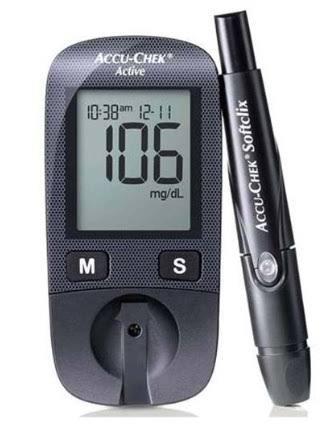
- Oral medications to lower blood sugar
- Insulin therapy
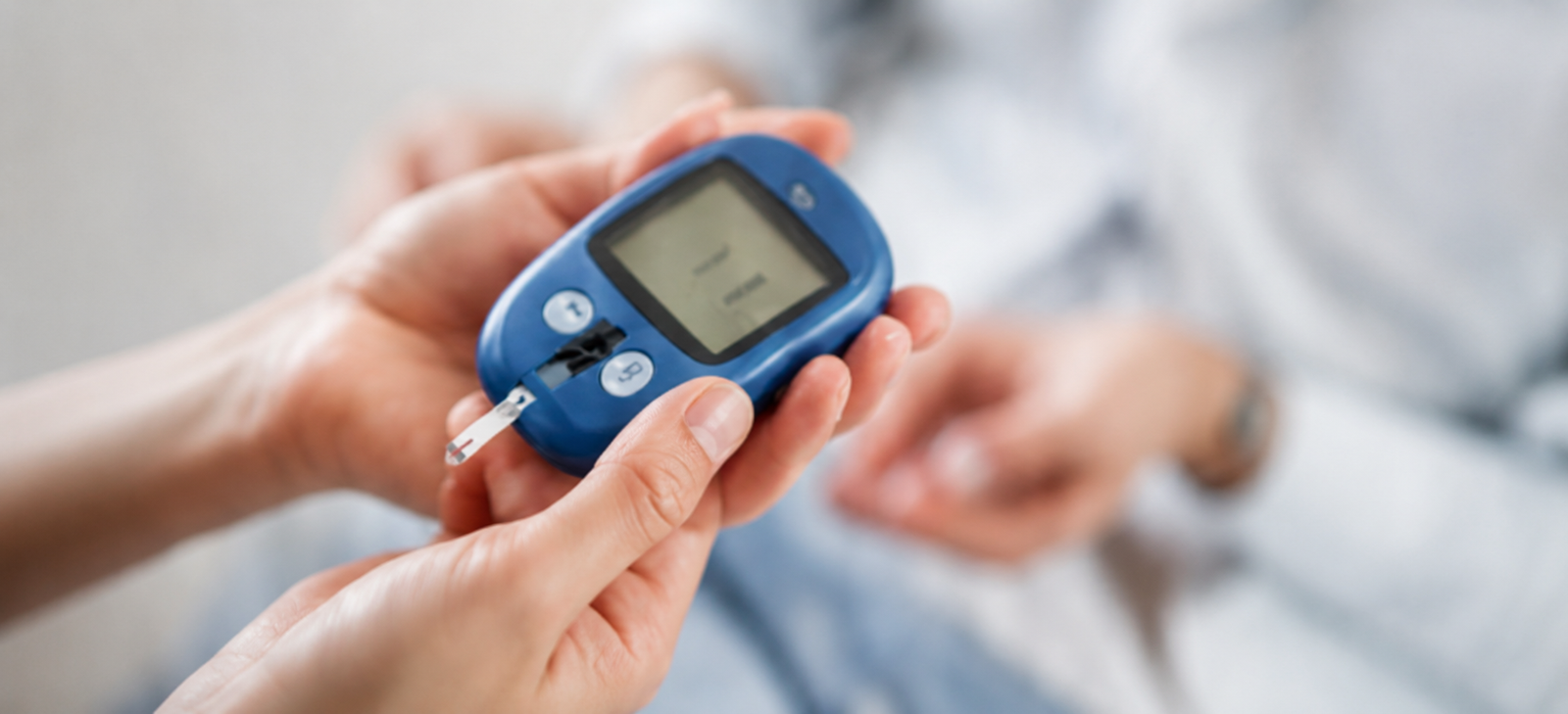
- Reguler blood sugar monitoring
- Treatment of related conditions
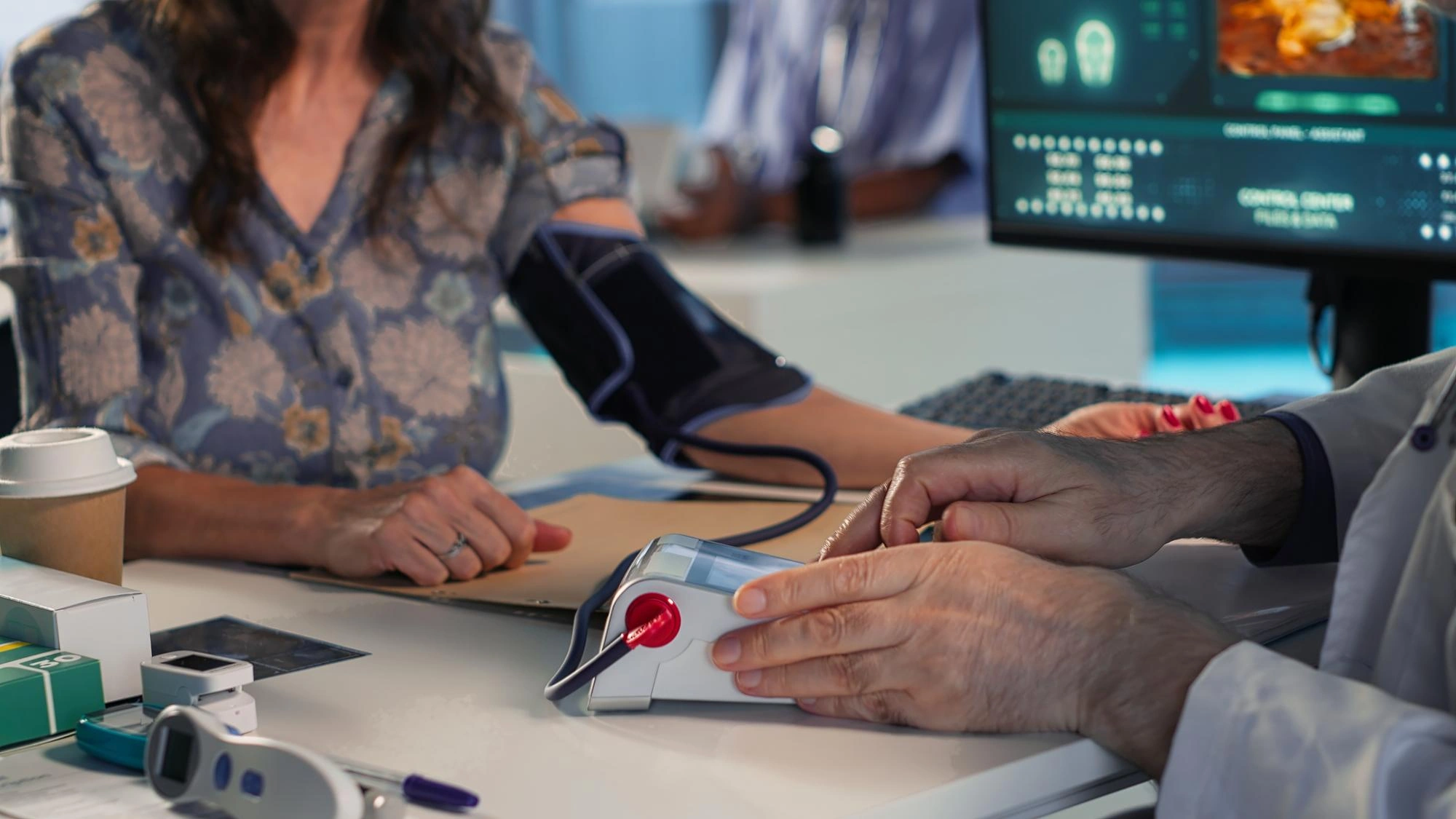
Ayurvedic Treatment
Ayurvedic treatment may focus on supporting overall wellness through traditional herbal preparations, dietary practices, daily routines, and lifestyle approaches alongside appropriate medical care.
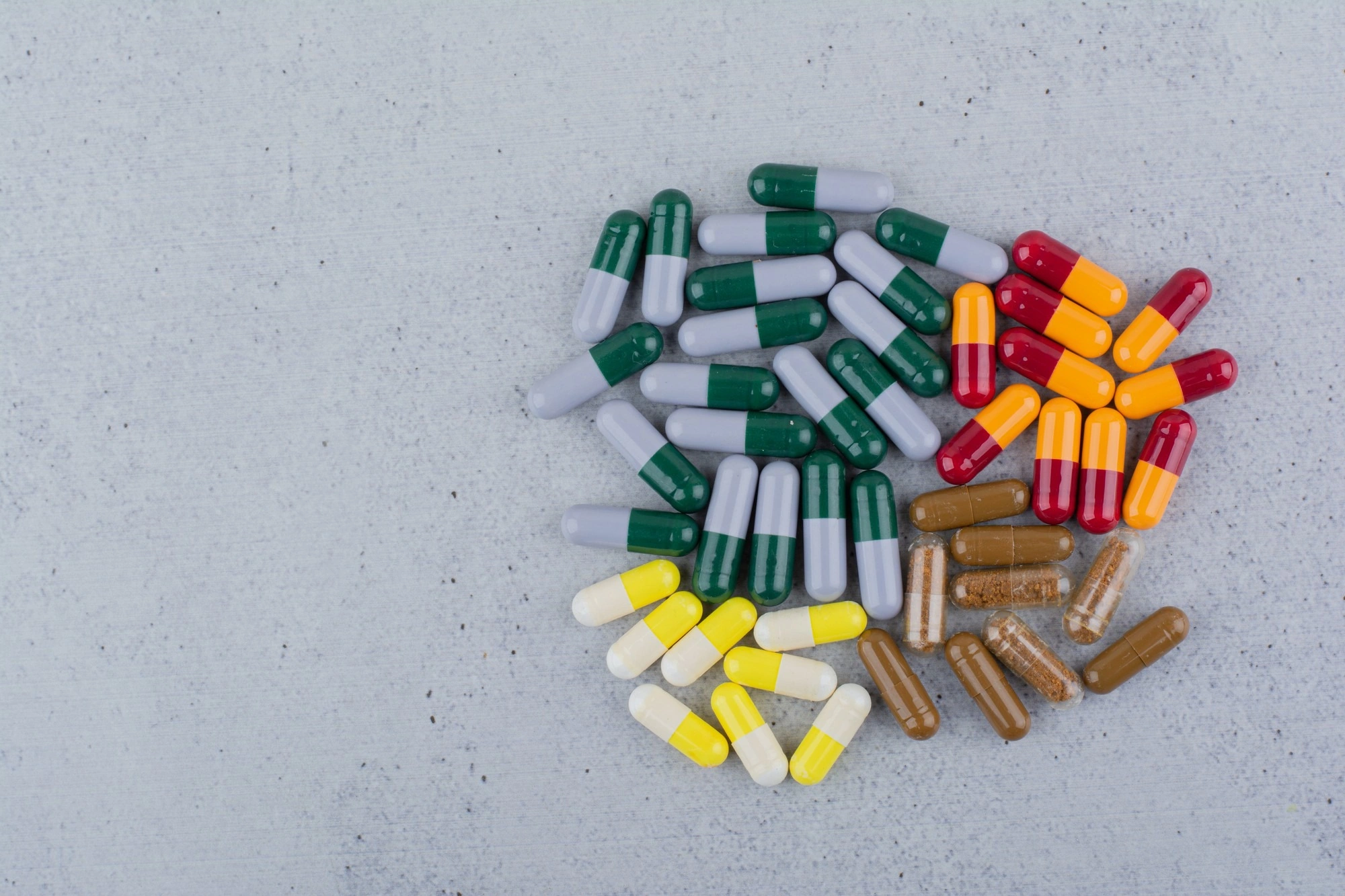
Herbal Treatment
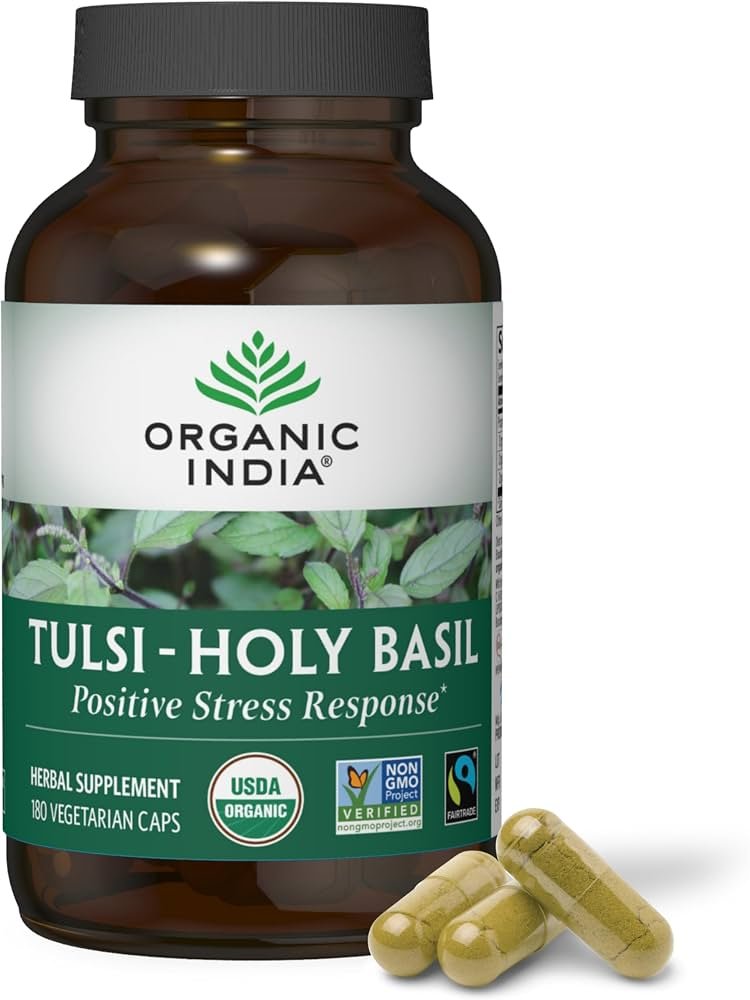
Herbal approaches use plant-based preparations that are traditionally used to support blood sugar management and general health. Their use should be discussed with a healthcare professional, especially alongside prescribed medicines.
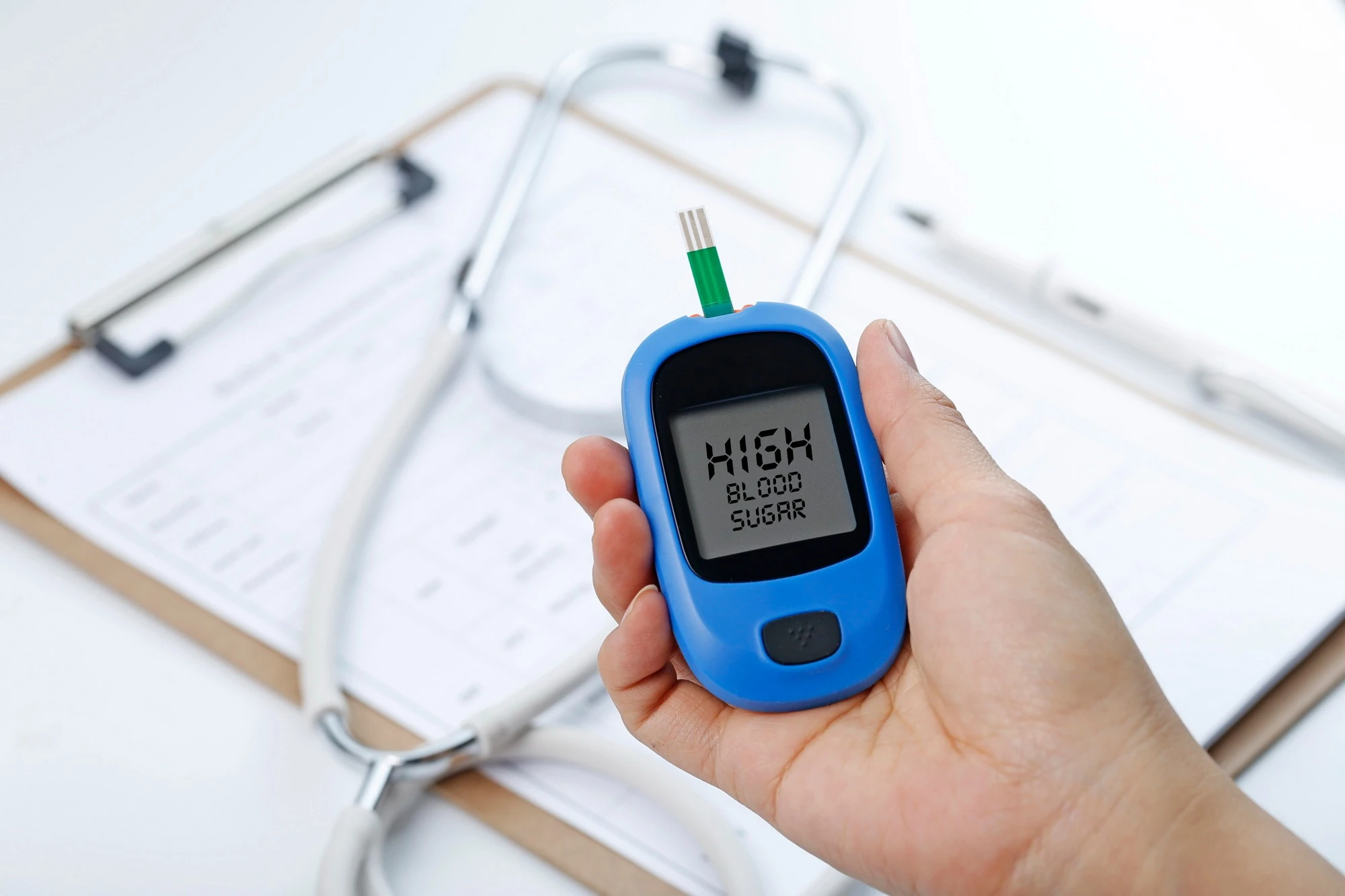
Homeopathic Treatment
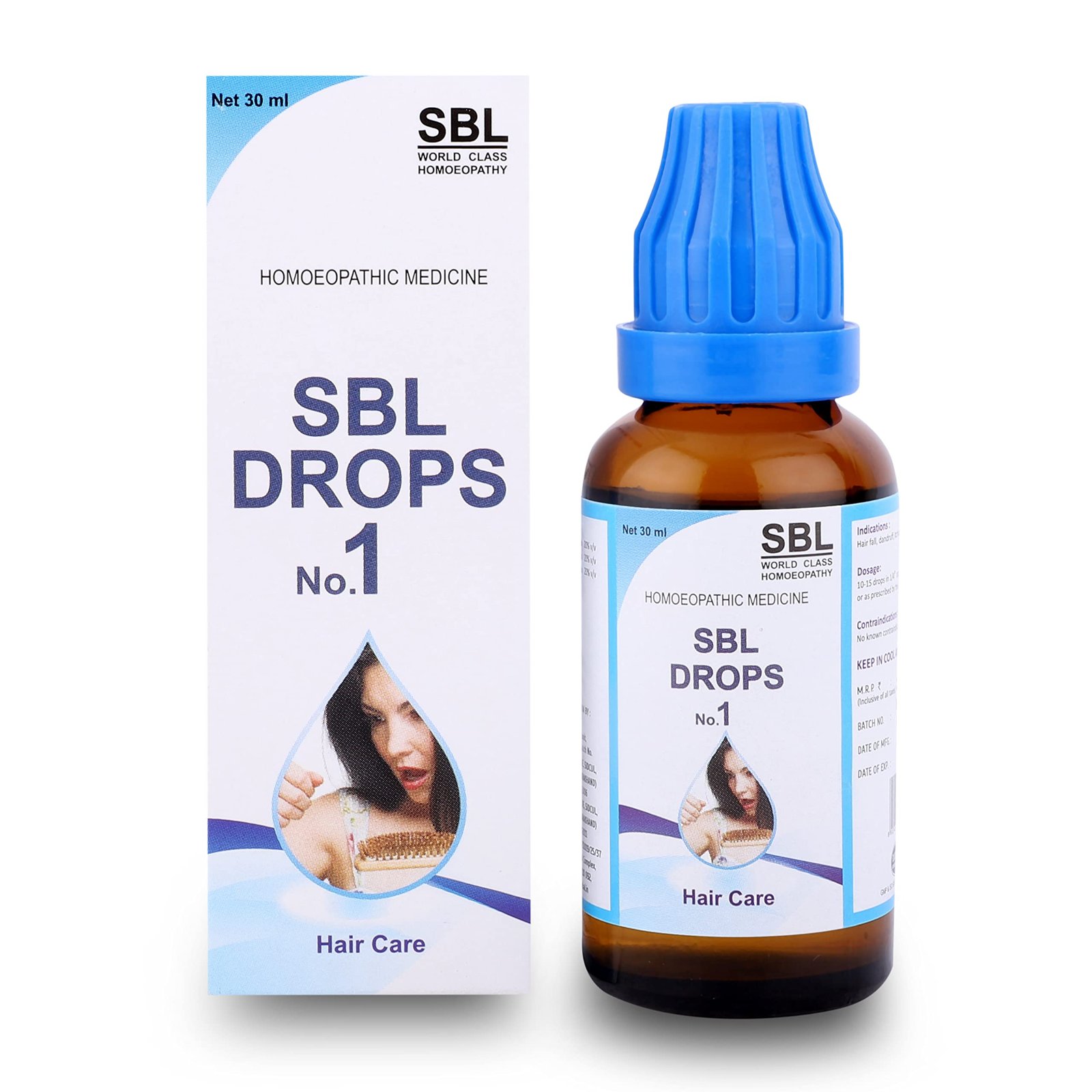
Homeopathic treatment uses highly diluted preparations based on traditional homeopathic principles. It should not replace proven diabetes treatments or prescribed medicines without guidance from a qualified healthcare professional.

Lifestyle & Diet
Healthy lifestyle choices can support diabetes management. A balanced diet, regular physical activity, maintaining a healthy weight, adequate sleep, and regular monitoring can all contribute to better overall health and blood sugar management.

At a Glance

Also Known As
Madhumeh
Duration
Long-term (Chronic)

Treatable
Yes
Requires Doctor Consultation
Yes
Lifestyle Changes
Recommended