
Prevalence
Common hormonal condition
Common in
People with risk factors
Category
Neurological Diseases
ICD-10 Code
G43
Type 1 Diabetes
The body does not produce insulin. It usually develops in children, teenagers or young adults.
Type 2 Diabetes
The body does not use insulin well. It is the most common type and usually develops in adults.
Gestational Diabetes
High blood sugar that develops during pregnancy and usually disappears after delivery.
Sleep disruption

Stress
Dehydration

Missed meals
Hormonal changes
Allopathic Approach
Evidence-based medical treatment for migraine: symptoms, triggers, treatment & prevention depends on the cause and severity. A clinician may recommend medicines, monitoring, or procedures when indicated.
Ayurvedic Approach
Traditional Ayurvedic practices may be used as complementary wellness approaches for migraine: symptoms, triggers, treatment & prevention, but they should not replace diagnosis or prescribed evidence-based treatment. Discuss products with a clinician.
Herbal Approach
Some herbal products are marketed for migraine: symptoms, triggers, treatment & prevention. Evidence and product quality vary, and herbs can interact with medicines. Use them only after discussing safety with a qualified healthcare professional.
Homeopathic Approach
Homeopathic products may be marketed for migraine: symptoms, triggers, treatment & prevention, but reliable evidence that homeopathy treats the underlying condition is limited. It should not replace effective medical treatment.
Lifestyle & Diet Approach
Healthy sleep, balanced nutrition, appropriate physical activity, avoiding tobacco, and following the individual care plan can support overall management of migraine: symptoms, triggers, treatment & prevention.
At a Glance
Also Known As
Migraine
Duration
Recurring
Manageable
Yes
Doctor Consultation
Recommended
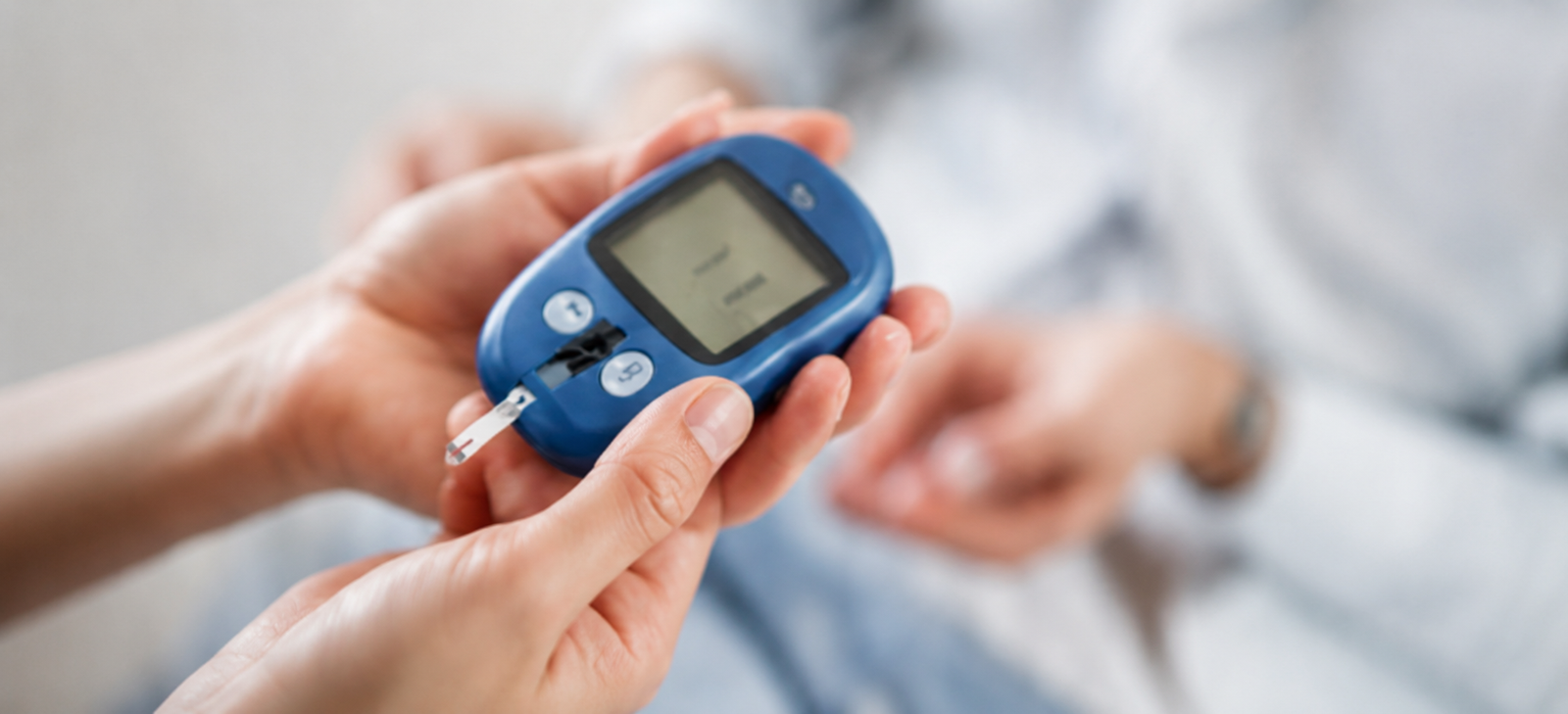
Lifestyle Changes
Helpful