

Prevalence
Very common symptom

Common in
Children & Adults
Category
General Symptoms
ICD-10 Code
R50.9
Type 1 Diabetes
The body does not produce insulin. It usually develops in children, teenagers or young adults.

Type 2 Diabetes
The body does not use insulin well. It is the most common type and usually develops in adults.
Gestational Diabetes
High blood sugar that develops during pregnancy and usually disappears after delivery.

Close contact with sick people
Poor hand hygiene

Weak immune defenses

Young age
Older age

Chronic health conditions
Allopathic Treatment
Treatment depends on the cause. Appropriate fever-reducing medicines may be used for comfort when suitable.
- Cause assessment
- Fever relief
- Medical monitoring
Ayurvedic Support
Traditional supportive care may emphasize rest, fluids, and gentle dietary routines. Severe or persistent fever still needs medical assessment.
- Rest
- Fluids
- Qualified advice
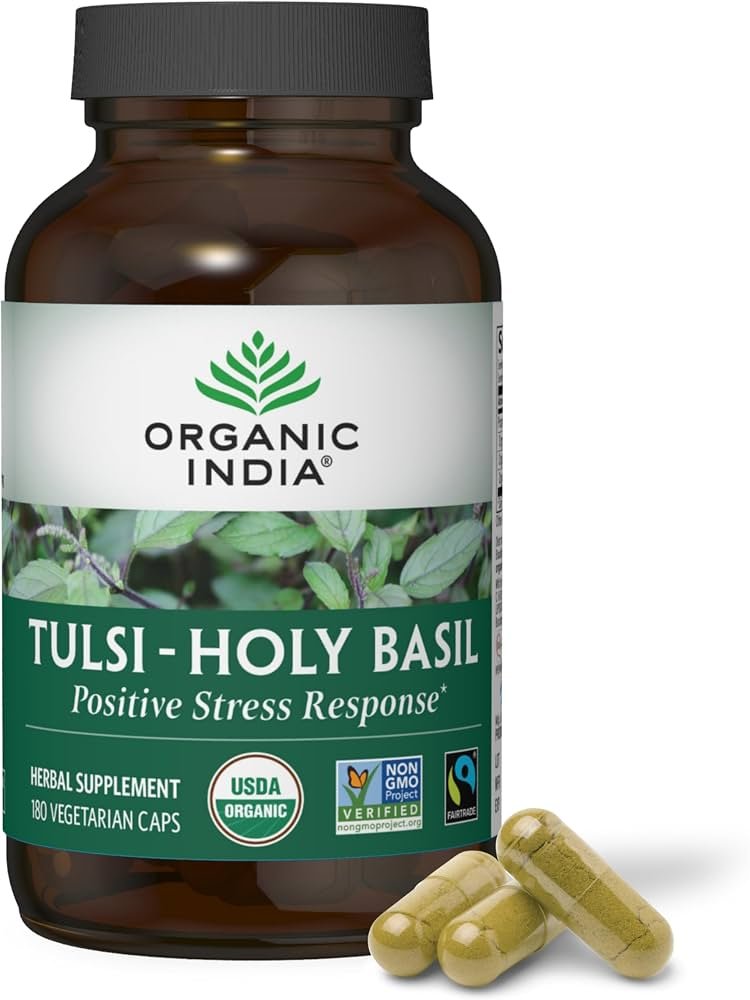
Herbal Support
Some herbal preparations are traditionally used during minor illnesses, but evidence and interactions vary.
- Hydration
- Herbal products with safety review
- Professional guidance

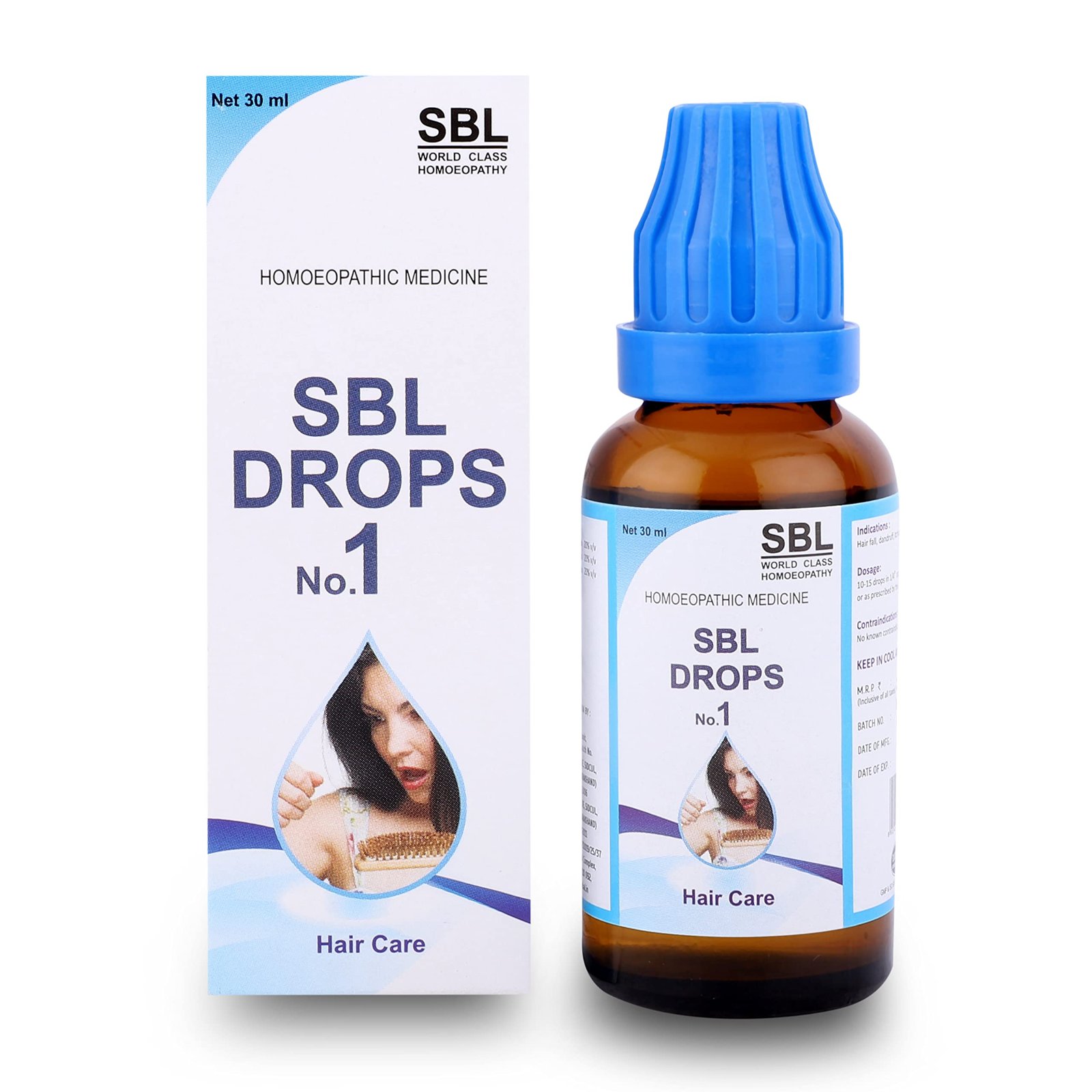
Homeopathic Support
Complementary products should not delay evaluation of serious or persistent fever.
- Complementary use only
- Symptom monitoring
- Medical assessment

Supportive Care
Comfort-focused care can help during many mild illnesses.
- Drink fluids
- Rest
- Eat light nourishing foods
- Monitor symptoms

At a Glance

Also Known As
Elevated body temperature

Duration
Usually short-term

Treatable
Cause-dependent

Requires Doctor Consultation
If severe or persistent

Lifestyle Changes
Supportive