
Paracetamol: Uses, Safe Use & Important Precautions

Prevalence
Widely used worldwide

Common in
Children & Adults
Category
Pain & Fever Medicines
ICD-10 Code
N/A
Overview
Paracetamol is available in many products for pain and fever. Different products can contain the same active ingredient, so checking labels is important to avoid taking more than the recommended amount.
Symptoms
Paracetamol is used for symptoms such as fever, headache, toothache, muscle aches, and other mild to moderate pain. It does not treat the underlying cause of every symptom.
Causes
This medicine does not cause a disease; it is used to relieve pain and fever from many conditions. The correct product and dose depend on age, formulation, other medicines, and health factors.
Treatment
Use the dose stated on the package or prescribed by a healthcare professional. Do not combine multiple paracetamol-containing products unless a professional has confirmed the total amount is appropriate.
Complications
Taking too much paracetamol can cause serious liver injury. Risk may be increased by certain liver conditions, heavy alcohol use, or interactions with other medicines.
Prevention
Read active-ingredient labels, use the correct measuring device for liquid products, keep medicines away from children, and ask a pharmacist or doctor if you are unsure about dosing.
FAQs
Can paracetamol reduce fever? Yes, it can reduce fever when used appropriately.
Can I take two cold medicines together? Check the active ingredients first because more than one product may contain paracetamol.
What if too much was taken? Seek urgent medical advice even if the person feels well, because serious liver injury can develop without early symptoms.
Type of Diabetes

Type 1 Diabetes
The body does not produce insulin. It usually develops in children, teenagers or young adults.

Type 2 Diabetes
The body does not use insulin well. It is the most common type and usually develops in adults.
Gestational Diabetes
High blood sugar that develops during pregnancy and usually disappears after delivery.

Risk Factors

Incorrect dosing

Young children without proper measuring
Liver disease

Heavy alcohol use
Unclear medicine labels
Multiple medicines
Treatment Options
Allopathic Medicine
Use according to the approved product instructions or a healthcare professional’s advice.
- Fever relief
- Pain relief
- Correct dose selection

Ayurvedic Support
Traditional supportive practices may help comfort depending on the cause of pain or fever, but they should not replace appropriate medical treatment.
- Rest
- Hydration
- Qualified advice
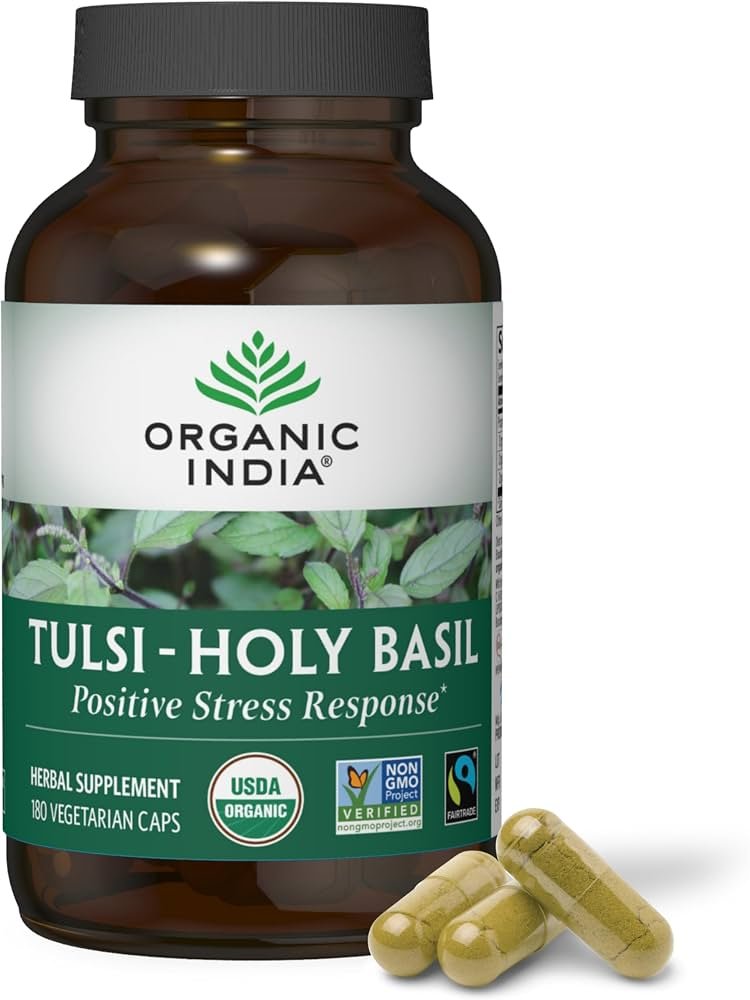
Herbal Support
Herbal products should be checked for possible interactions before combining them with medicines.
- Product safety review
- Hydration
- Professional guidance

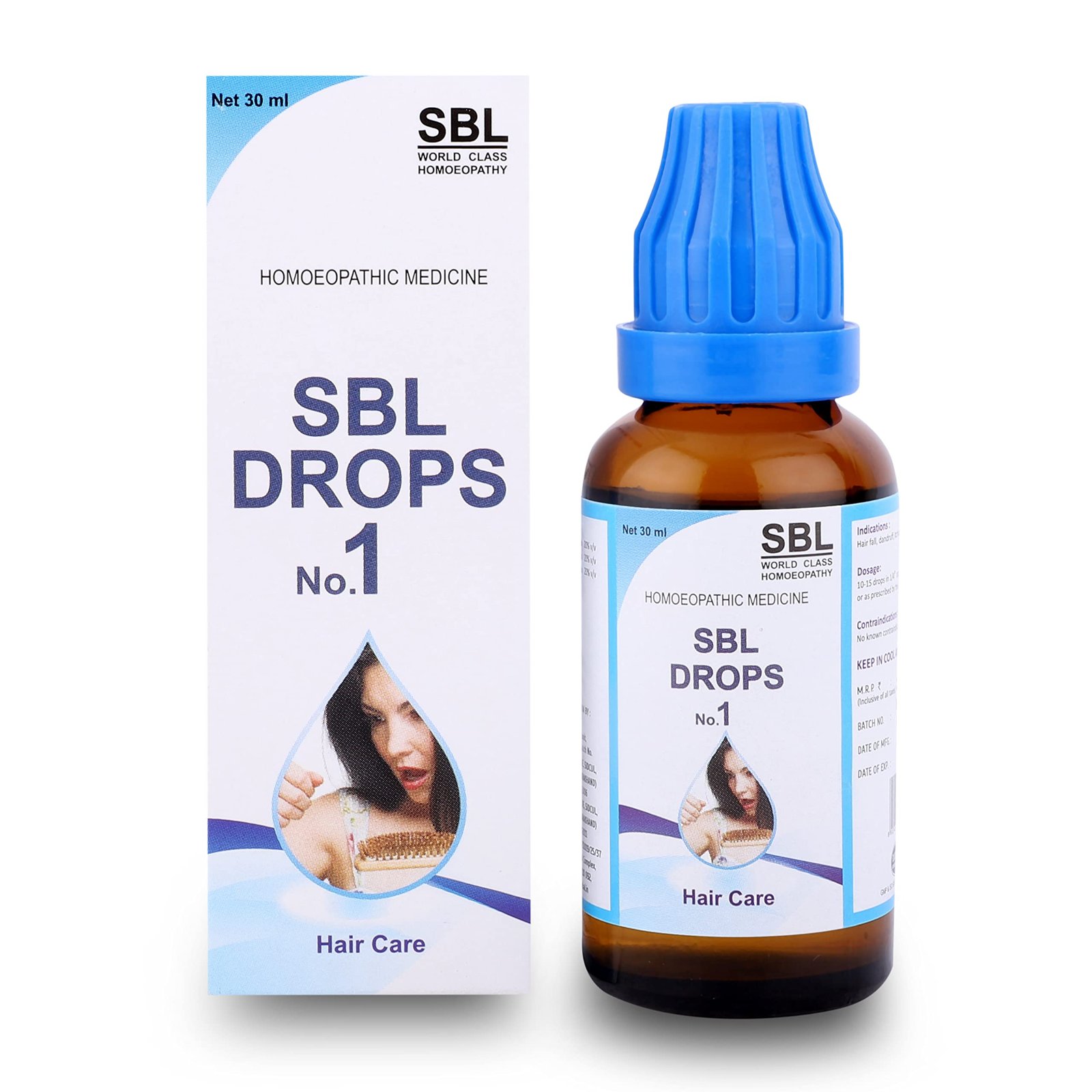
Homeopathic Support
Do not use complementary products as a substitute for urgent assessment of severe pain, fever, or overdose.
- Complementary use
- Symptom monitoring
- Medical advice

Supportive Care
Rest, fluids, and addressing the cause of pain or fever are important alongside appropriate symptom relief.
- Rest
- Hydration
- Seek care for persistent symptoms
Possible Complications
- Liver injury after overdose
- Delayed treatment of the underlying illness
- Accidental duplicate dosing
Prevention Tips
- Read the active ingredients
- Use the correct measuring device
- Follow package directions
- Keep medicines away from children
- Ask a pharmacist when unsure
At a Glance
Recommended Medicines