

10 Early Signs of Diabetes You Should Never Ignore

Prevalence
530M+ people
Common in
Adults & Seniors
Category
Endocrine Disorders
ICD-10 Code
E10 - E14
Overview
Diabetes is a long-term (chronic) health condition that affects how your body turns food into energy. Most of the food you eat is broken down into sugar (glucose) and released into your bloodstream. When your blood sugar goes up, it signals your pancreas to release insulin. Insulin acts like a key, helping glucose get into your cells to be used for energy.
If you have diabetes, your body either doesn’t make enough insulin or can’t use insulin properly. Too much glucose stays in your blood and can lead to serious health problems.
Symptoms
Common symptoms of diabetes include increased thirst, frequent urination, tiredness, and blurred vision. Some people may experience symptoms gradually or have no noticeable signs. Early awareness can help with timely diagnosis and care.
Causes
Diabetes can develop due to problems with insulin production or how the body responds to insulin. Genetics, lifestyle, diet, and other health factors may contribute to its development. The exact causes can vary by type.
Treatment
Diabetes treatment focuses on controlling blood sugar and preventing complications. Depending on the type and individual needs, treatment may include medicines, insulin, healthy eating, physical activity, and regular monitoring.
Complications
Poorly controlled diabetes can affect several parts of the body over time. It may increase the risk of heart disease, kidney problems, nerve damage, vision problems, and other complications. Regular care can help reduce these risks.
Prevention
Some types of diabetes can be prevented or their risk can be reduced through healthy lifestyle choices. Maintaining a healthy weight, eating a balanced diet, staying active, and monitoring blood sugar can support better health.
FAQs
Find answers to common questions about diabetes, including its symptoms, causes, treatment, and prevention. This section provides simple, helpful information to better understand and manage the condition.
Type of Diabetes

Type 1 Diabetes
The body does not produce insulin. It usually develops in children, teenagers or young adults.
Type 2 Diabetes
The body does not use insulin well. It is the most common type and usually develops in adults.
Gestational Diabetes
High blood sugar that develops during pregnancy and usually disappears after delivery.
Risk Factors

Family history of diabetes

Overweight or obesity
Physical inactivity

Unhealthy diet
High blood pressure
Age 45 years or older
Treatment Options
Allopathic Treatment
Allopathic treatment aims to control blood sugar levels, manage symptoms, and prevent complications.
- Oral medications to lower blood sugar
- Insulin therapy
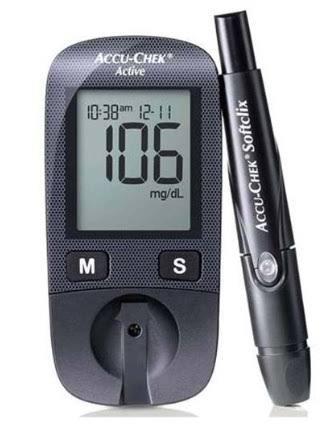
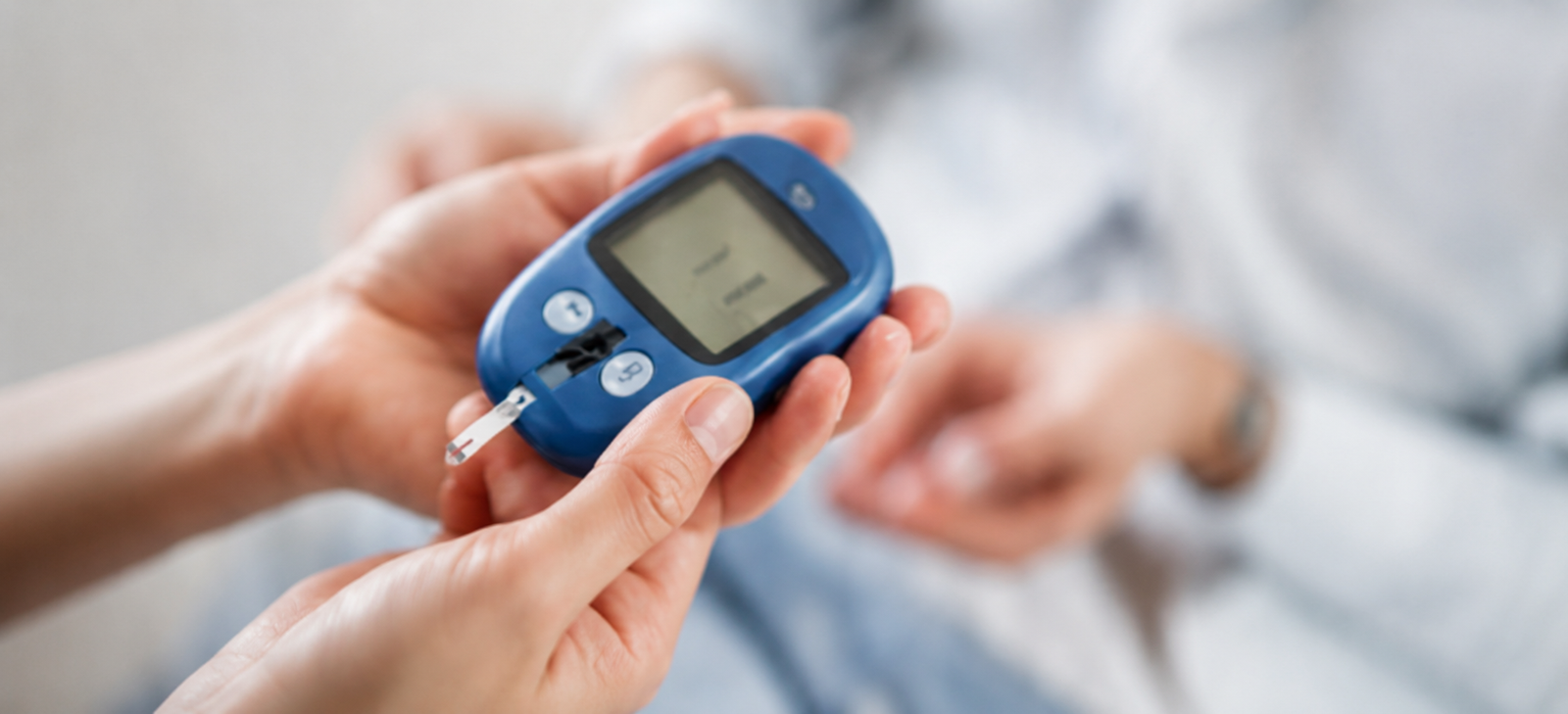
- Reguler blood sugar monitoring
- Treatment of related conditions
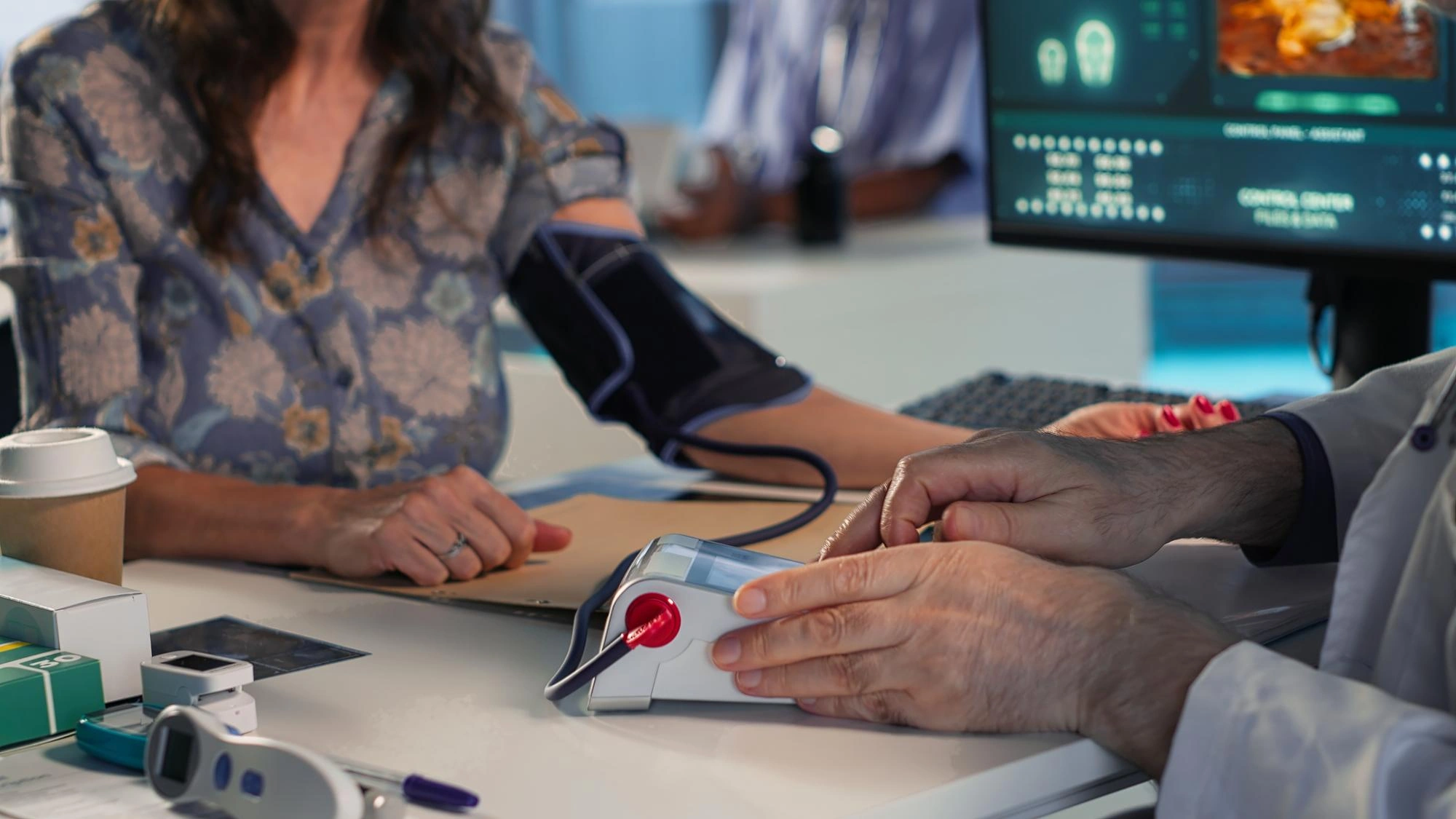
Ayurvedic Treatment
Ayurvedic treatment may focus on supporting overall wellness through traditional herbal preparations, dietary practices, daily routines, and lifestyle approaches alongside appropriate medical care.
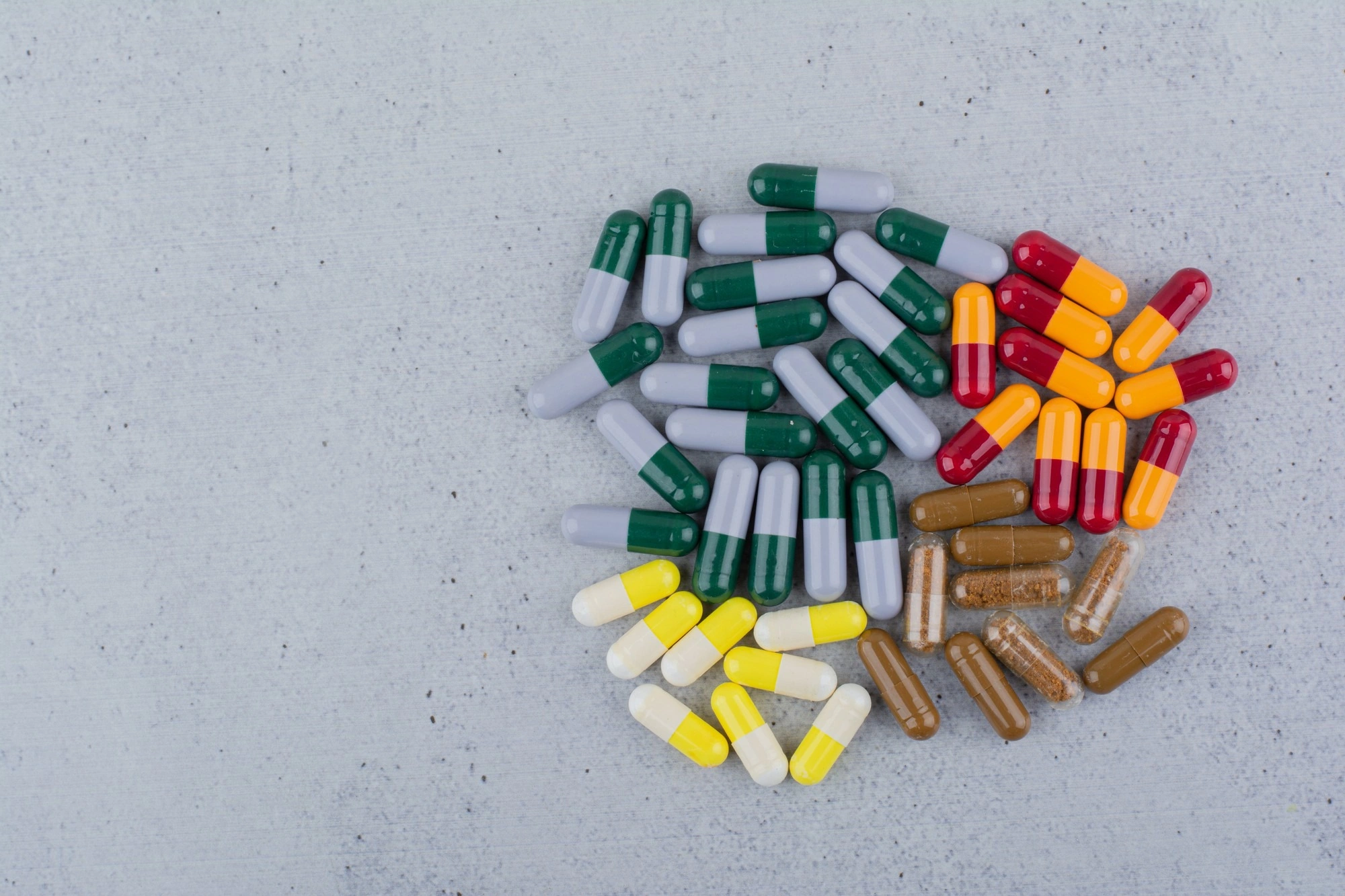
Herbal Treatment
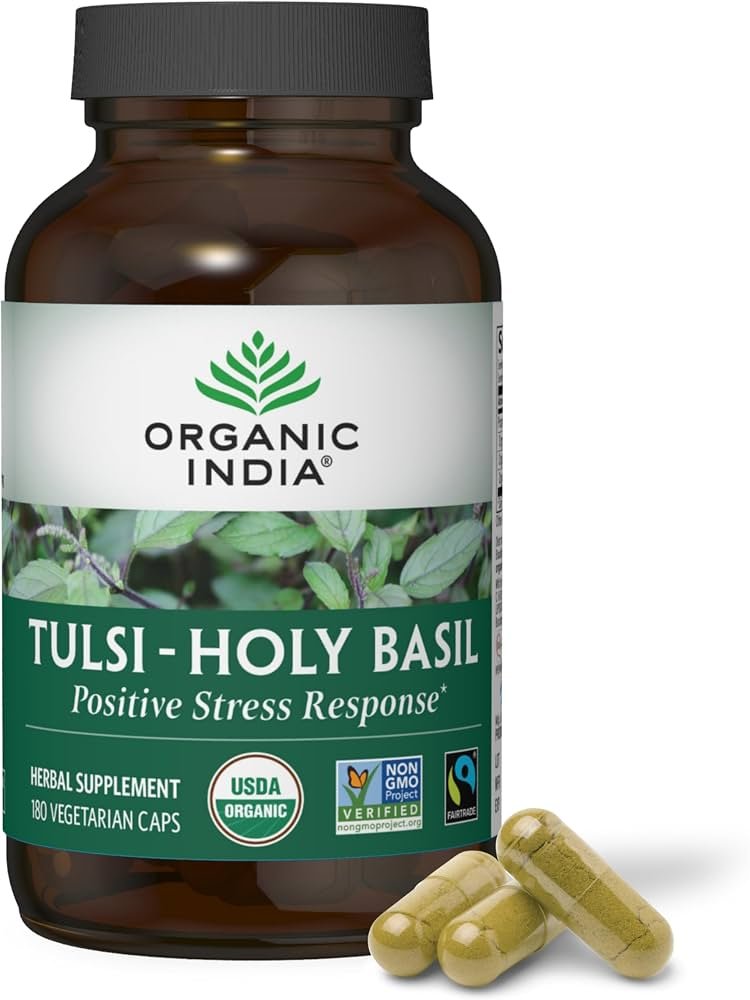
Herbal approaches use plant-based preparations that are traditionally used to support blood sugar management and general health. Their use should be discussed with a healthcare professional, especially alongside prescribed medicines.
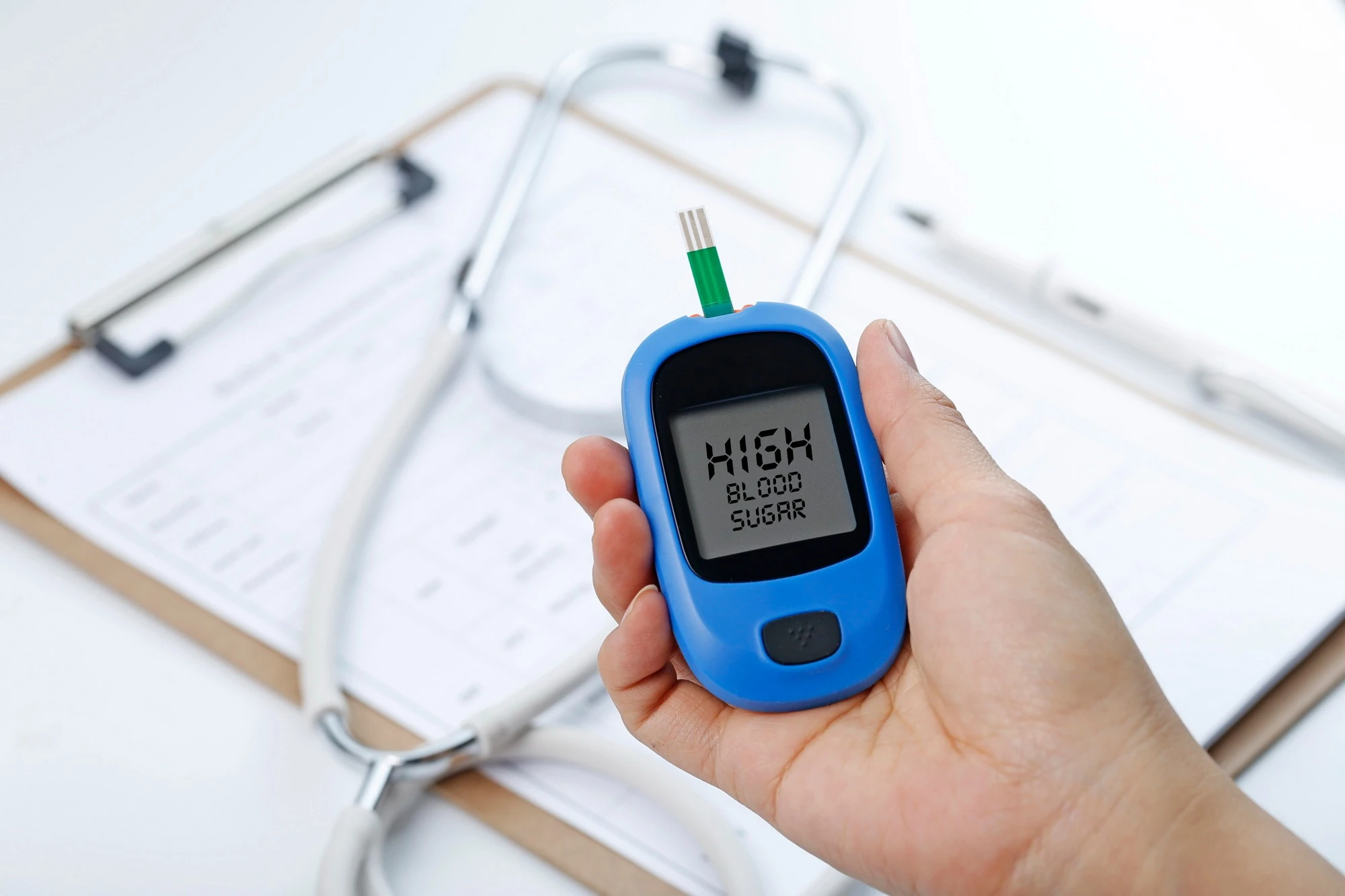
Homeopathic Treatment
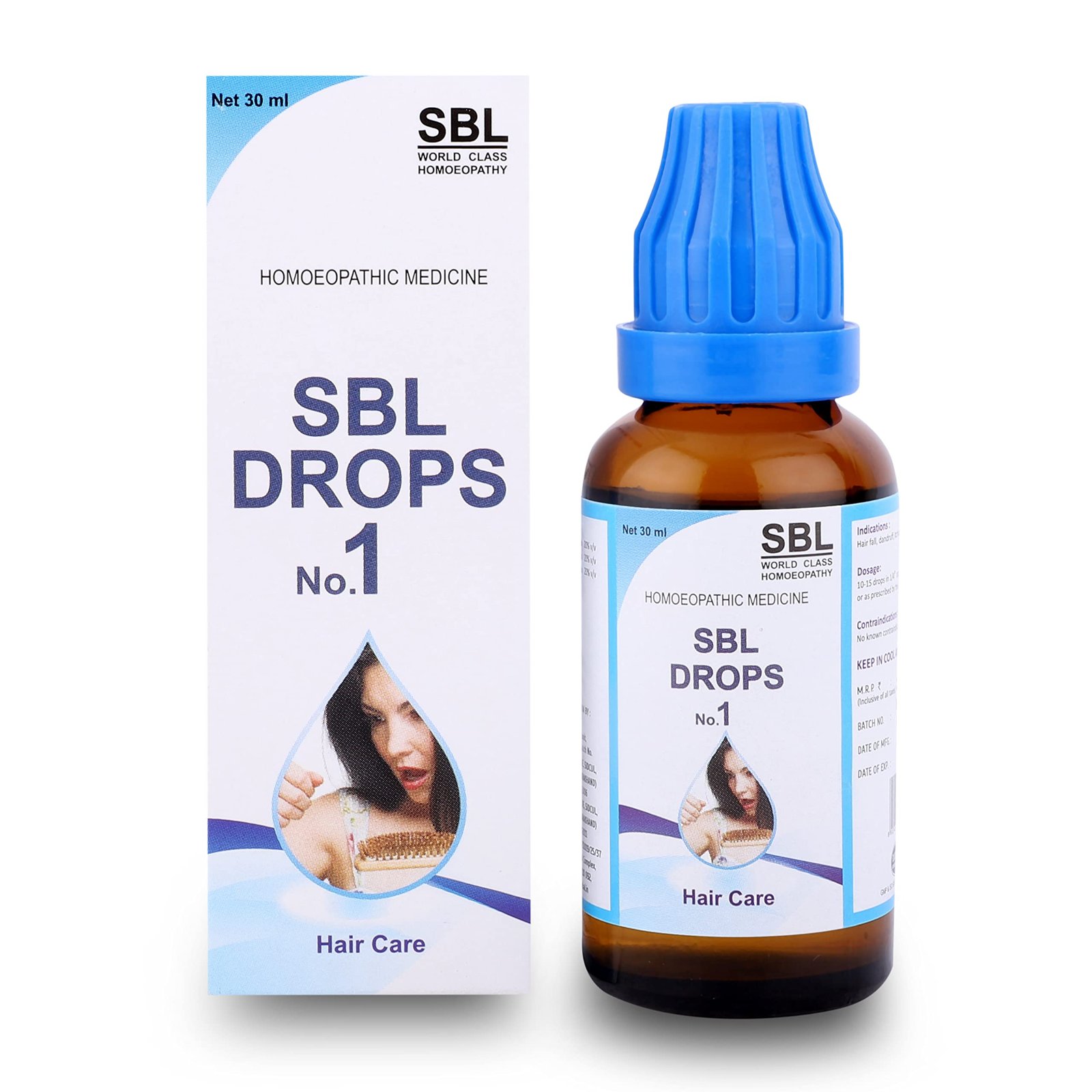
Homeopathic treatment uses highly diluted preparations based on traditional homeopathic principles. It should not replace proven diabetes treatments or prescribed medicines without guidance from a qualified healthcare professional.

Lifestyle & Diet
Healthy lifestyle choices can support diabetes management. A balanced diet, regular physical activity, maintaining a healthy weight, adequate sleep, and regular monitoring can all contribute to better overall health and blood sugar management.

Possible Complications
- Heart disease
- Kidney damage (Nephropathy)
- Â Nerve damage (Neuropathy)
- Eye damage (Retinopathy)
- Foot problems
- Skin infections
Prevention Tips
- Maintain a healthy weight
- Eat a balanced, healthy diet
- Stay physically active
- Monitor your blood sugar regularly
- Manage stress
- Get regular health check-ups
At a Glance
Recommended Medicines