Overview
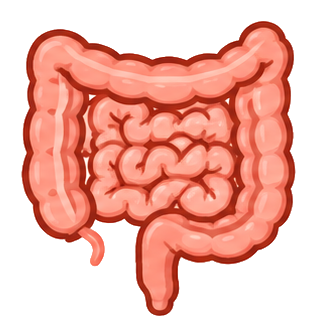
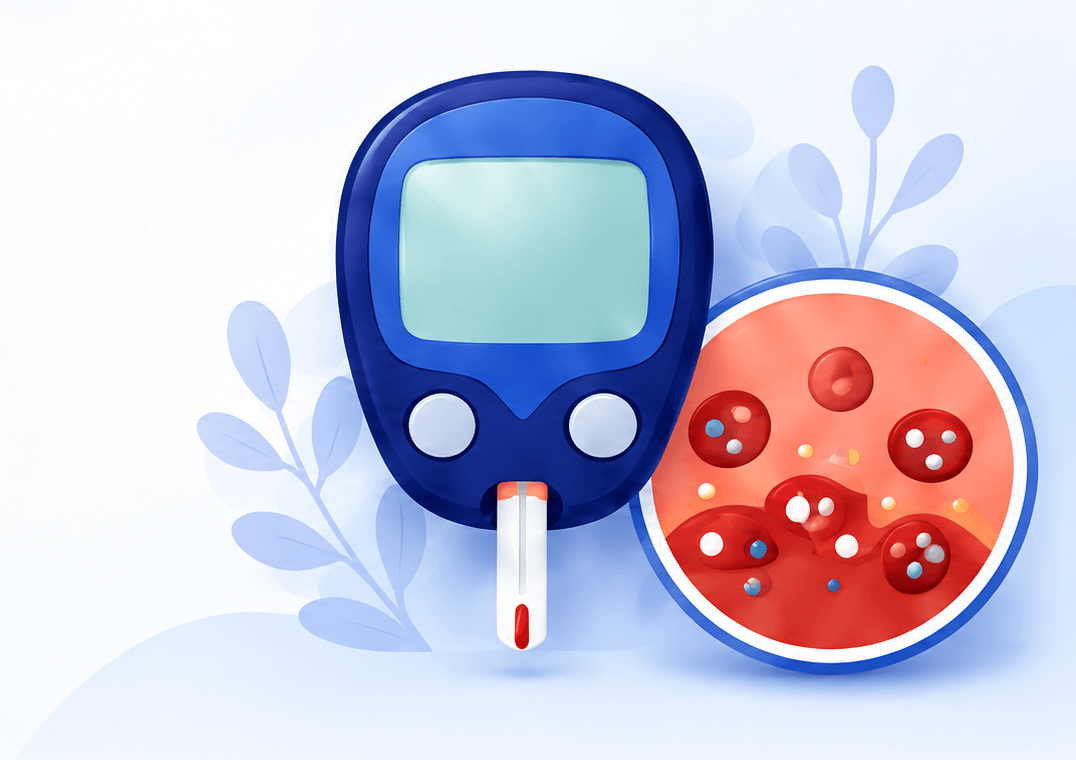
Metformin belongs to a class of drugs called biguanides. It works by reducing glucose production in the liver, decreasing intestinal absorption of glucose, and improving insulin sensitivity. It does not cause hypoglycemia (low blood sugar) when used alone.
Uses
Treatment of type 2 diabetes mellitus in adults and children (10 years and older).
Helps control blood glucose levels alongside a sensible diet and regular physical activity.
Can be used alone or in combination with other diabetes medications.
Helps improve long-term blood sugar control in people with type 2 diabetes.
How It Works
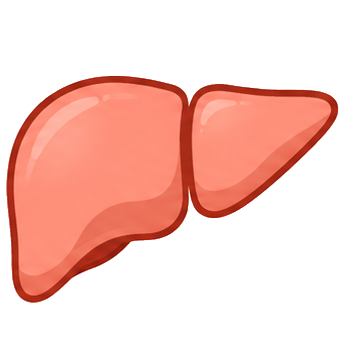
Liver
Decreases glucose production
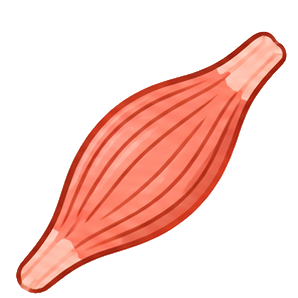
Muscles
Increases insulin sensitivity
Intestines
Reduces glucose absorption
Dosage
The usual starting dose is 500 mg once or twice daily with meals. Your doctor may gradually increase the dose based on your blood sugar levels and tolerance.
| Form | Dosage | Typical Dose | Maximum Dose |
|---|
| Tablet | 500 mg | 500 mg-1000 mg 1-2 times daily | 2550 mg/day |
| Tablet | 850 mg | 850 mg-1700 mg 1-2 times daily | 2550 mg/day |
| Tablet | 1000 mg | 1000 mg-2000 mg 1-2 times daily | 2550 mg/day |
i
Take with food to reduce stomach upset. Do not crush or chew extended-release tablets.
Side Effects
Metformin may cause mild digestive problems, especially when starting treatment.
Nausea, vomiting
Stomach upset
Diarrhea
Loss of appetite
Metallic taste
Precautions
Inform your healthcare professional about your medical conditions before taking metformin.
Kidney or liver problems
Heart failure
Dehydration
Elderly patients
Vitamin B12 deficiency
Drug Interactions
Certain medicines and alcohol may increase the risk of side effects or affect blood sugar control.
Diuretics
Corticosteroids
ACE inhibitors
Thyroid hormones
Alcohol
Warnings
Lactic acidosis is a rare but serious condition; seek immediate medical attention if you experience unusual muscle pain, breathing difficulties, or severe weakness.
Storage
Proper storage helps maintain the medicine quality, safety, and effectiveness.
FAQs
What is Metformin used for?
Metformin is used along with diet and exercise to lower blood sugar levels in patients with type 2 diabetes.
Should Metformin be taken with food?
Yes, taking metformin with meals helps reduce common side effects such as nausea and stomach upset.
Can Metformin cause low blood sugar?
When used alone, metformin rarely causes hypoglycemia (low blood sugar), but risk increases if combined with insulin or sulfonylureas.