
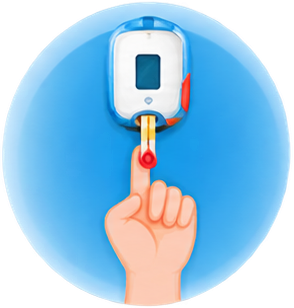
Diabetes
High blood sugar levels and its related complications.


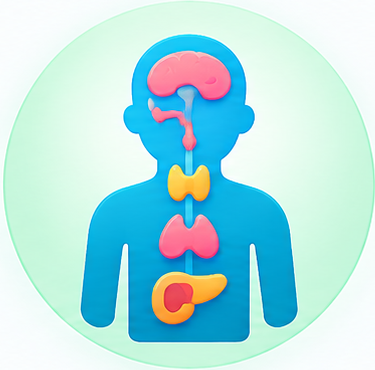
High blood sugar levels and its related complications.

High blood pressure and heart health.
Chronic respiratory condition affecting breathing.
Joint pain, inflammation and related conditions.
Joint pain, inflammation and related conditions.
Causes, symptoms and treatment options.
 Insulin Resistance
 Family History and Genetics
 Overweight or Obesity
 Physical Inactivity
 Unhealthy Eating Habits
 Hormonal Imbalances
 Pancreatic Disorders
 Autoimmune Reaction
 Gestational Diabetes History
 Polycystic Ovary Syndrome (PCOS)
 Increasing Age
 Certain Medications (e.g., Steroids)
 Frequent Urination
 Excessive Thirst
 Increased Hunger
 Unexplained Weight Loss
 Fatigue and Weakness
 Blurred Vision





Allopathic treatment aims to control blood sugar levels, manage symptoms, and prevent complications.
Oral medications to lower blood sugar
Insulin therapy
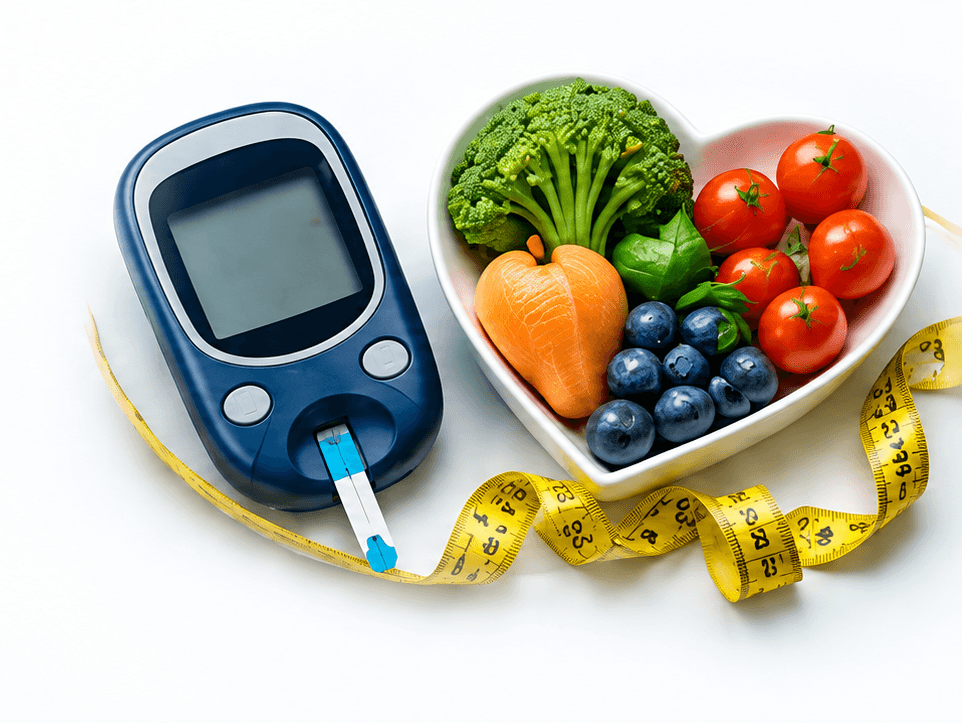
Reguler blood sugar monitoring
Treatment of related conditions

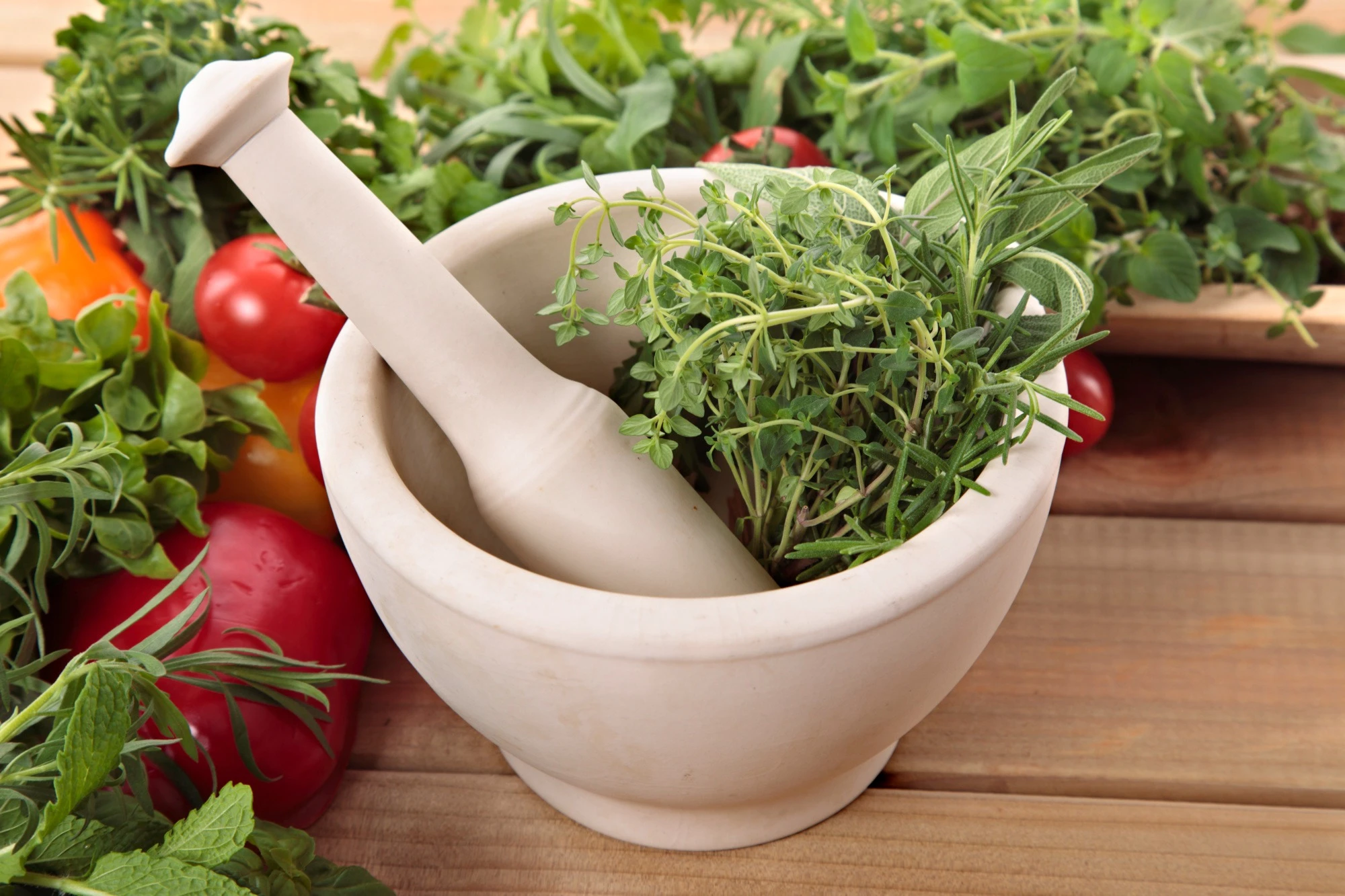
Ayurvedic treatment may focus on supporting overall wellness through traditional herbal preparations, dietary practices, daily routines, and lifestyle approaches alongside appropriate medical care.

Herbal approaches use plant-based preparations that are traditionally used to support blood sugar management and general health. Their use should be discussed with a healthcare professional, especially alongside prescribed medicines.
Homeopathic treatment uses highly diluted preparations based on traditional homeopathic principles. It should not replace proven diabetes treatments or prescribed medicines without guidance from a qualified healthcare professional.
Healthy lifestyle choices can support diabetes management. A balanced diet, regular physical activity, maintaining a healthy weight, adequate sleep, and regular monitoring can all contribute to better overall health and blood sugar management.