

Prevalence
Common across all age groups

Common in
Children, Adults & Seniors
Category
Sleep & Rest

ICD-10 Code
N/A
Type 1 Diabetes
The body does not produce insulin. It usually develops in children, teenagers or young adults.

Type 2 Diabetes
The body does not use insulin well. It is the most common type and usually develops in adults.
Gestational Diabetes
High blood sugar that develops during pregnancy and usually disappears after delivery.

High stress
Late caffeine use
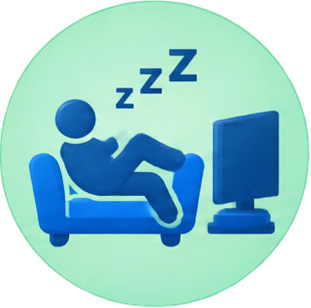
Excessive screen use at night

Sedentary lifestyle
Uncomfortable sleep environment
Shift work
Medical Sleep Care
Medical assessment can identify insomnia, sleep apnea, medication effects, or other conditions when lifestyle changes are not enough.
- Clinical assessment
- Condition-specific treatment
- Medication review
Ayurvedic Support
Traditional routines may emphasize calming evening habits, regular meals, and relaxation. Use qualified guidance for herbal products.
- Relaxation routines
- Consistent schedule
- Qualified advice
Herbal Support
Some herbal products are marketed for sleep, but evidence and safety vary and interactions are possible.
- Safety review
- Sleep routine
- Professional advice

Homeopathic Support
Persistent sleep problems should not be attributed only to stress without considering medical causes.
- Complementary use
- Sleep tracking
- Medical evaluation

Sleep Hygiene
Behavioral and environmental habits are first-line foundations for healthy sleep.
- Consistent schedule
- Relaxing bedtime routine
- Daytime activity
- Limit late caffeine

At a Glance

Also Known As
Sleep hygiene

Duration
Daily habit

Treatable
Often improvable

Requires Doctor Consultation
If persistent or severe
Lifestyle Changes
Essential