

Fever: Causes, Warning Signs & Safe Home Care

Prevalence
Very common symptom

Common in
Children & Adults
Category
General Symptoms

ICD-10 Code
R50.9
Overview
Fever can occur with infections and other illnesses. Many mild fevers improve as the underlying condition resolves, but very high fever, persistent fever, or fever with serious symptoms needs medical assessment.
Symptoms
Fever may be accompanied by chills, sweating, headache, body aches, tiredness, reduced appetite, or feeling unusually hot or cold. Symptoms vary according to the underlying cause.
Causes
Common causes include viral or bacterial infections. Fever can also occur with inflammatory conditions, some medicines, heat-related illness, or other medical problems. The cause cannot always be identified from fever alone.
Treatment
Treatment focuses on the underlying cause and keeping the person comfortable. Rest, adequate fluids, light clothing, and appropriate fever-reducing medicine may help when suitable. Antibiotics are only useful for selected bacterial infections.
Complications
Fever itself is often manageable, but dehydration and the underlying illness can cause complications. Very high temperatures or fever in vulnerable people may require prompt medical evaluation.
Prevention
Hand hygiene, vaccination, safe food and water practices, good ventilation, and avoiding close contact with people who are sick can reduce the risk of many infections that cause fever.
FAQs
Is fever always dangerous? No. Fever is often a normal response to infection, but context and associated symptoms matter.
Should every fever be treated with medicine? Not necessarily. Comfort, age, medical history, and the underlying cause should guide care.
When is fever urgent? Seek urgent care for severe breathing problems, confusion, seizures, severe dehydration, stiff neck with severe headache, or other serious symptoms.
Type of Diabetes

Type 1 Diabetes
The body does not produce insulin. It usually develops in children, teenagers or young adults.

Type 2 Diabetes
The body does not use insulin well. It is the most common type and usually develops in adults.
Gestational Diabetes
High blood sugar that develops during pregnancy and usually disappears after delivery.

Risk Factors

Close contact with sick people

Poor hand hygiene

Weak immune defenses

Young age
Older age

Chronic health conditions
Treatment Options
Allopathic Treatment
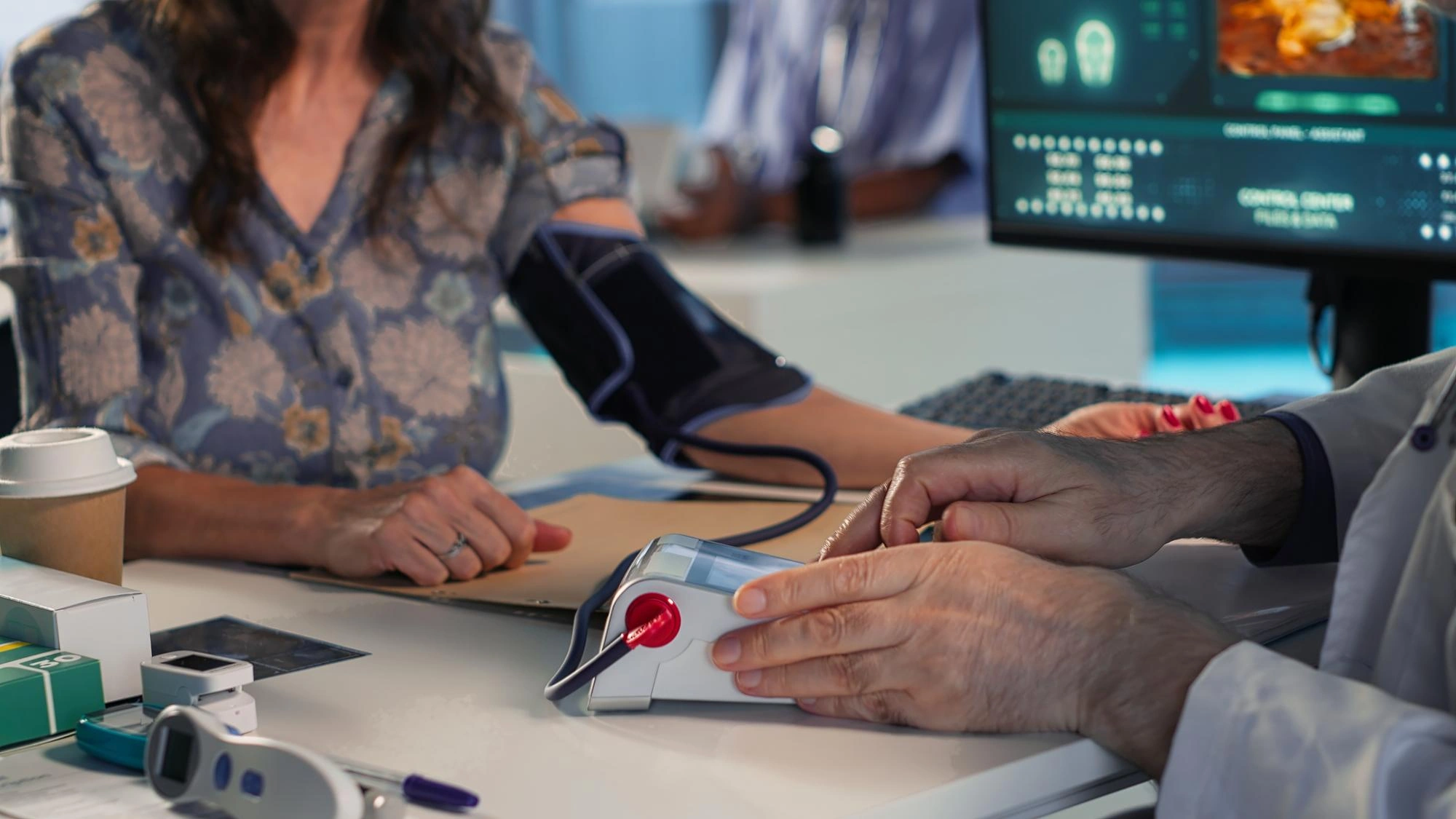
Treatment depends on the cause. Appropriate fever-reducing medicines may be used for comfort when suitable.
- Cause assessment
- Fever relief
- Medical monitoring
Ayurvedic Support
Traditional supportive care may emphasize rest, fluids, and gentle dietary routines. Severe or persistent fever still needs medical assessment.
- Rest
- Fluids
- Qualified advice

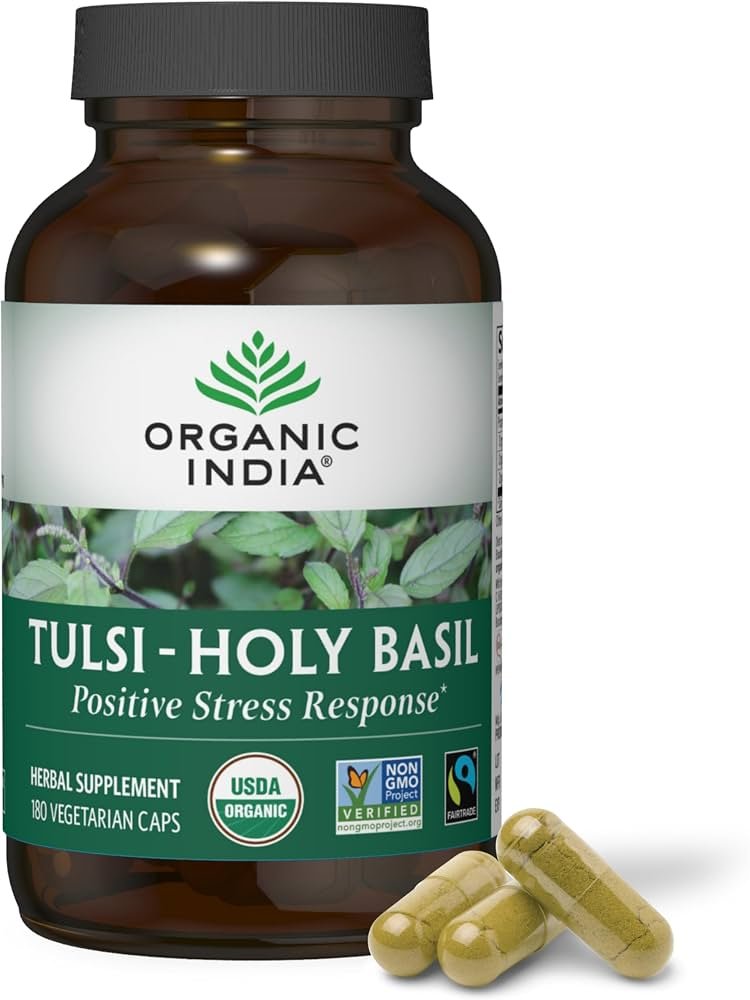
Herbal Support
Some herbal preparations are traditionally used during minor illnesses, but evidence and interactions vary.
- Hydration
- Herbal products with safety review
- Professional guidance

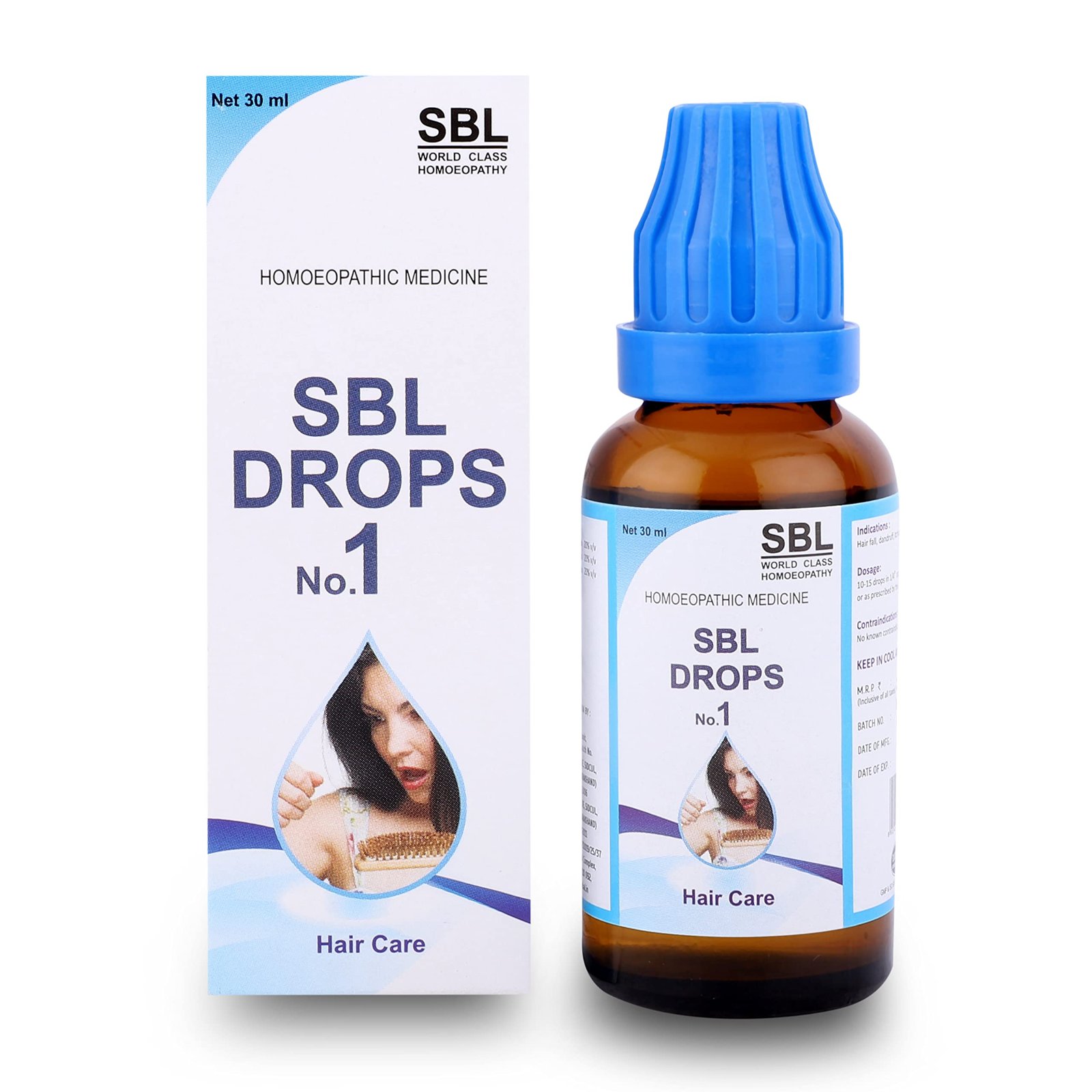
Homeopathic Support
Complementary products should not delay evaluation of serious or persistent fever.
- Complementary use only
- Symptom monitoring
- Medical assessment

Supportive Care
Comfort-focused care can help during many mild illnesses.
- Drink fluids
- Rest
- Eat light nourishing foods
- Monitor symptoms

At a Glance

Recommended Medicines