

Prevalence
1B+ people affected globally
Common in
Children, Adults & Women
Category
Neurological Disorders
ICD-10 Code
G43.9
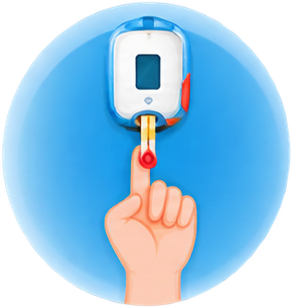
Type 1 Diabetes
The body does not produce insulin. It usually develops in children, teenagers or young adults.

Type 2 Diabetes
The body does not use insulin well. It is the most common type and usually develops in adults.
Gestational Diabetes
High blood sugar that develops during pregnancy and usually disappears after delivery.

Irregular sleep
Skipped meals
Dehydration
Stress
Hormonal changes
Frequent pain-medicine use
Allopathic Treatment
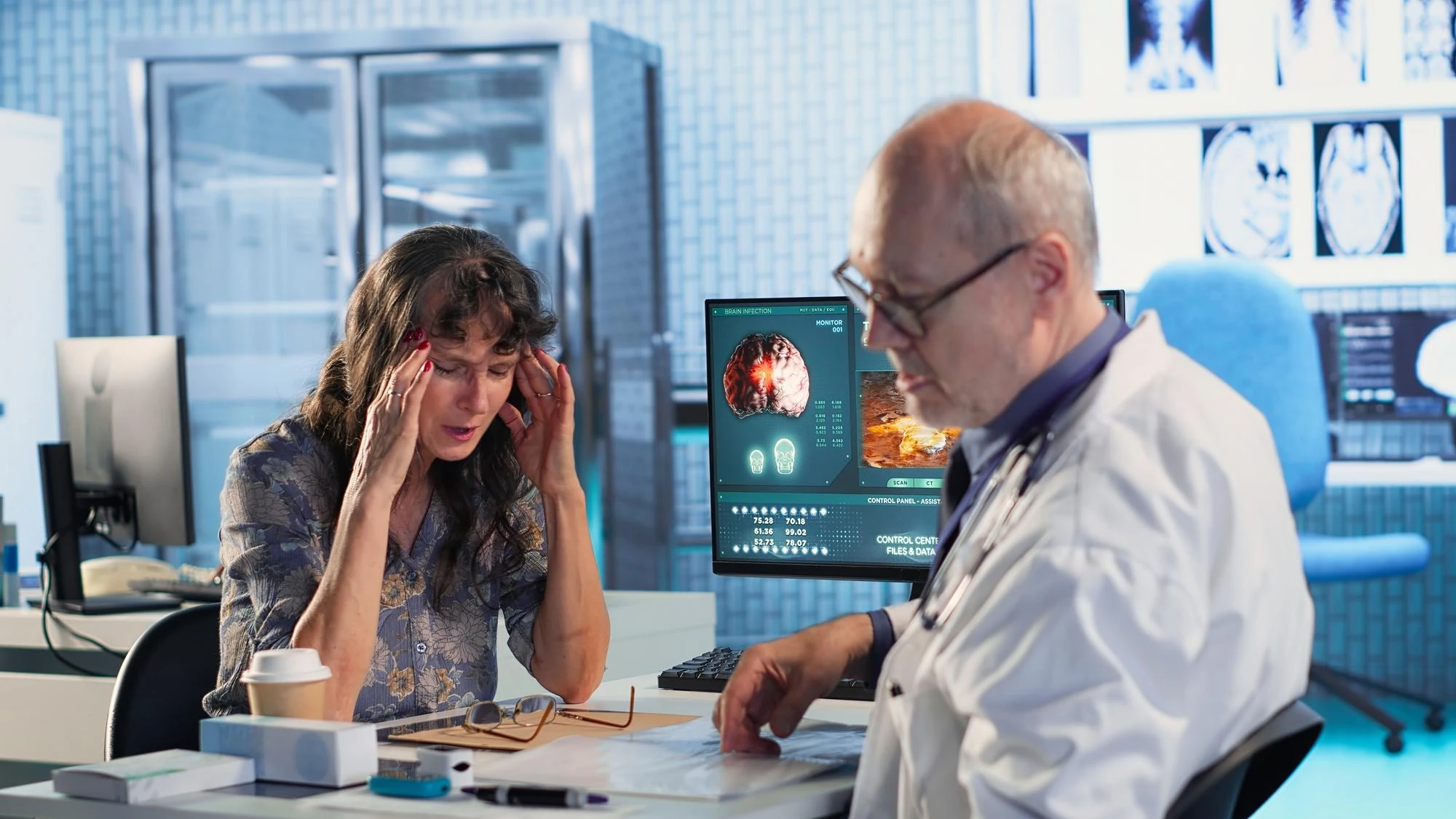
Clinically used migraine treatment may include acute pain-relief medicines and preventive medicines when attacks are frequent or disabling.
- Acute treatment
- Preventive medicines
- Trigger management
Ayurvedic Treatment
Traditional approaches may focus on routines, relaxation, diet, and individualized herbal practices. Discuss them with a clinician, especially when medicines are being used.
- Relaxation practices
- Dietary routines
- Qualified practitioner advice
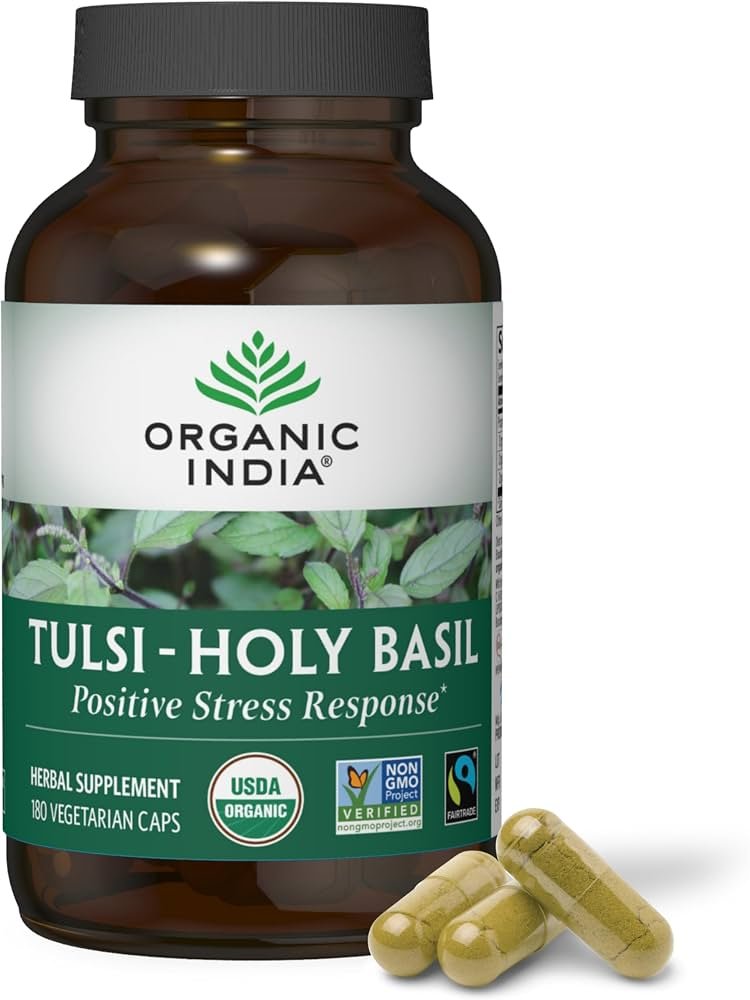
Herbal Treatment
Some herbal products are promoted for headache or migraine support, but evidence varies and interactions are possible.
- Herbal preparations
- Hydration
- Interaction review
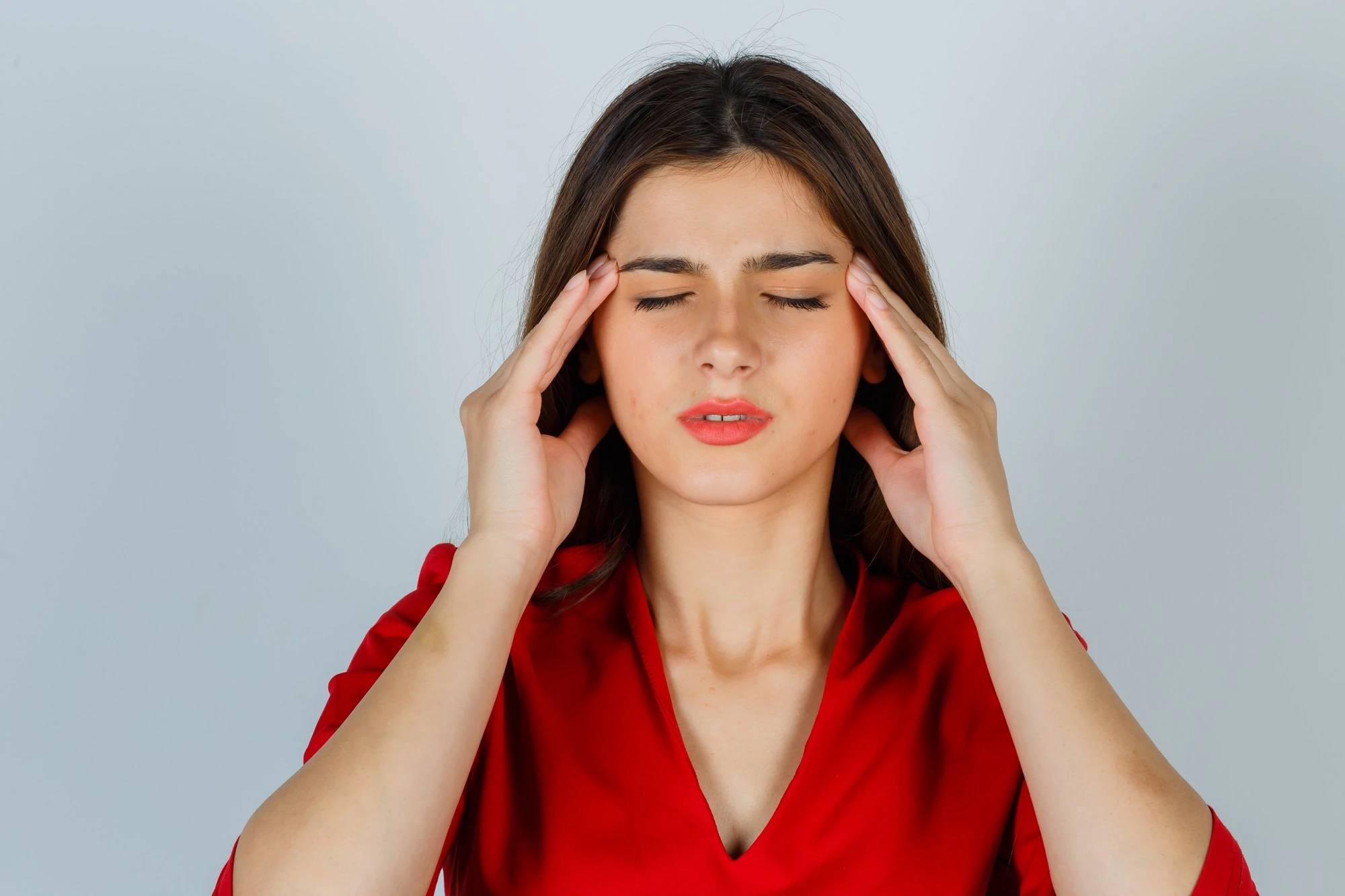
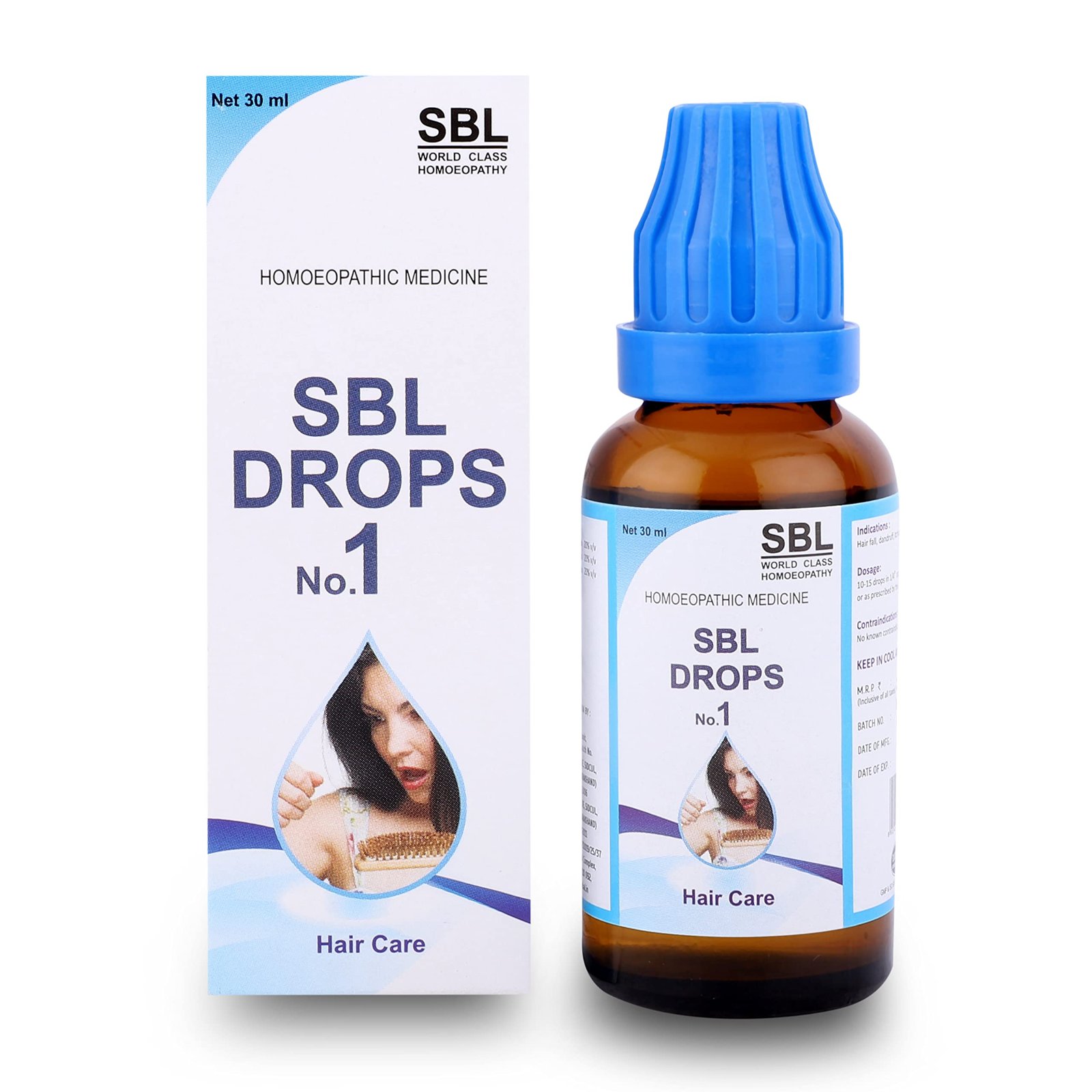
Homeopathic Treatment
Homeopathic products should not replace evaluation of recurrent or severe headaches. Persistent symptoms should be assessed by a healthcare professional.
- Complementary use
- Symptom tracking
- Professional assessment
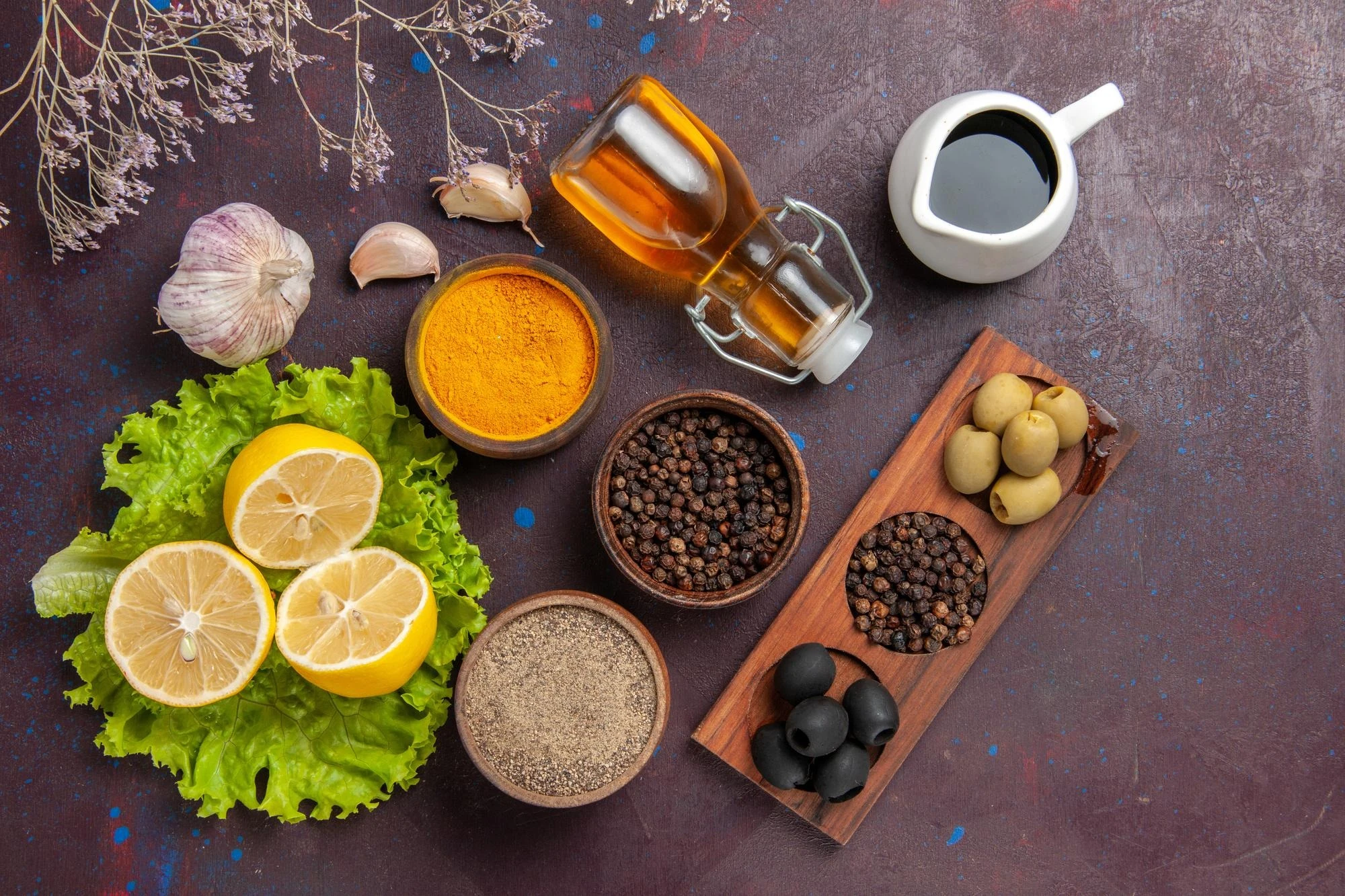
Lifestyle & Diet
Regular routines can help reduce migraine triggers.
- Regular meals
- Consistent sleep
- Hydration
- Stress management
At a Glance

Also Known As
Migraine disorder
Duration
Episodic or recurrent

Treatable
Yes
Requires Doctor Consultation
Recommended if frequent
Lifestyle Changes
Recommended