
Prevalence
Very common musculoskeletal complaint

Common in
Adults & Older Adults
Category
Physical Rehabilitation
ICD-10 Code
M54.5
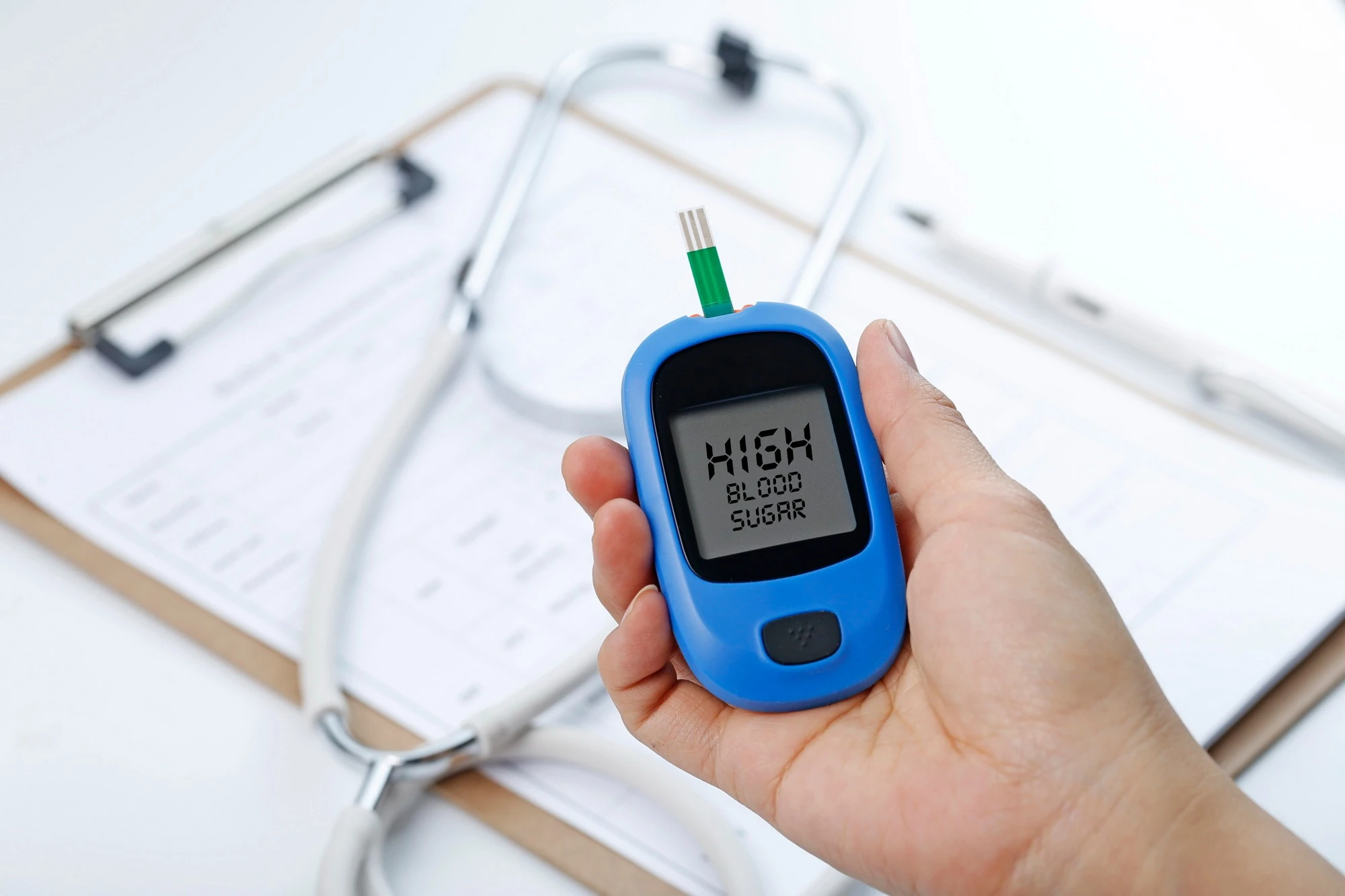
Type 1 Diabetes
The body does not produce insulin. It usually develops in children, teenagers or young adults.

Type 2 Diabetes
The body does not use insulin well. It is the most common type and usually develops in adults.
Gestational Diabetes
High blood sugar that develops during pregnancy and usually disappears after delivery.

Poor conditioning
Heavy lifting
Repetitive work

Previous back pain
Overweight or obesity
Poor sleep
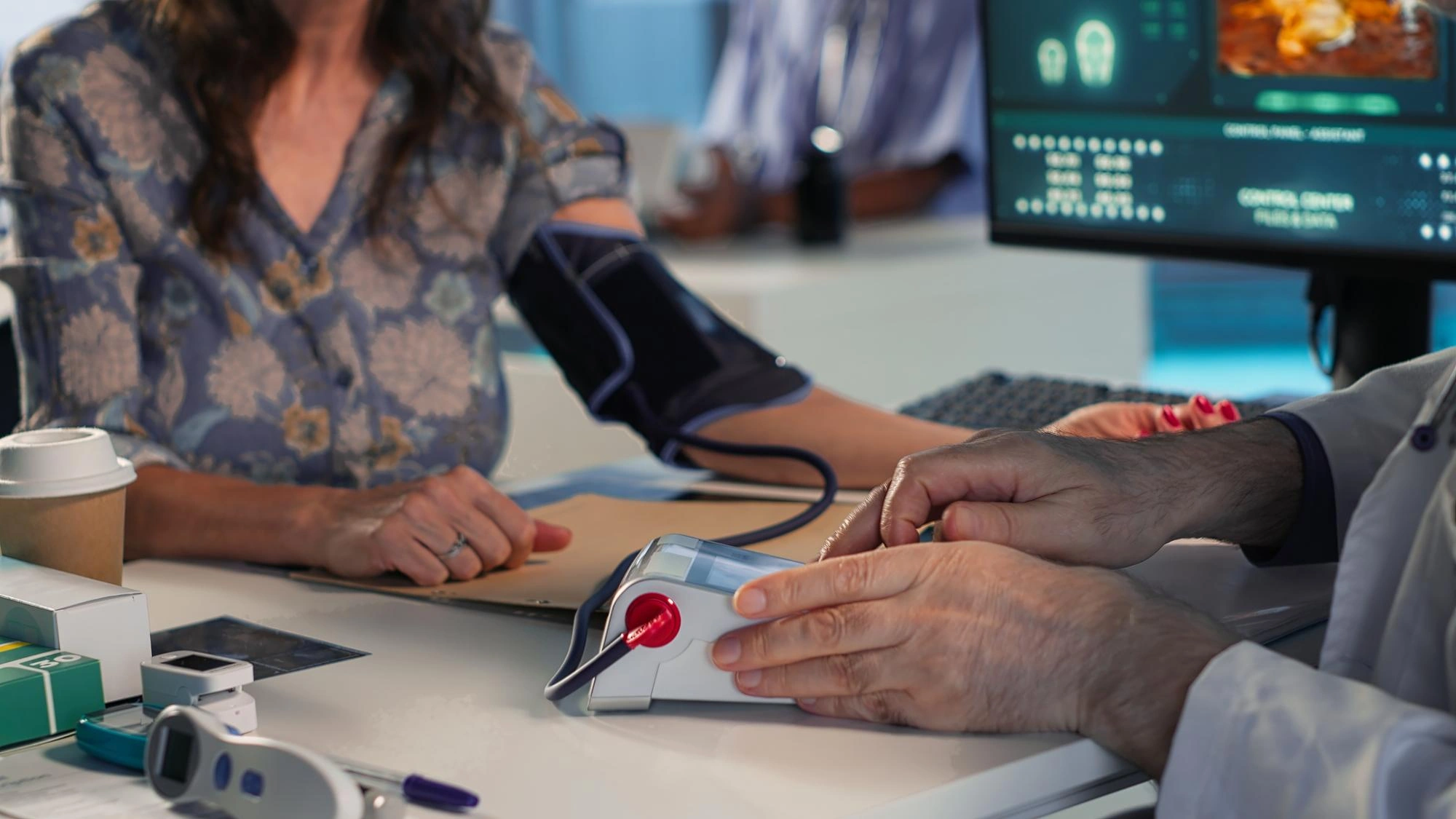
Medical Management
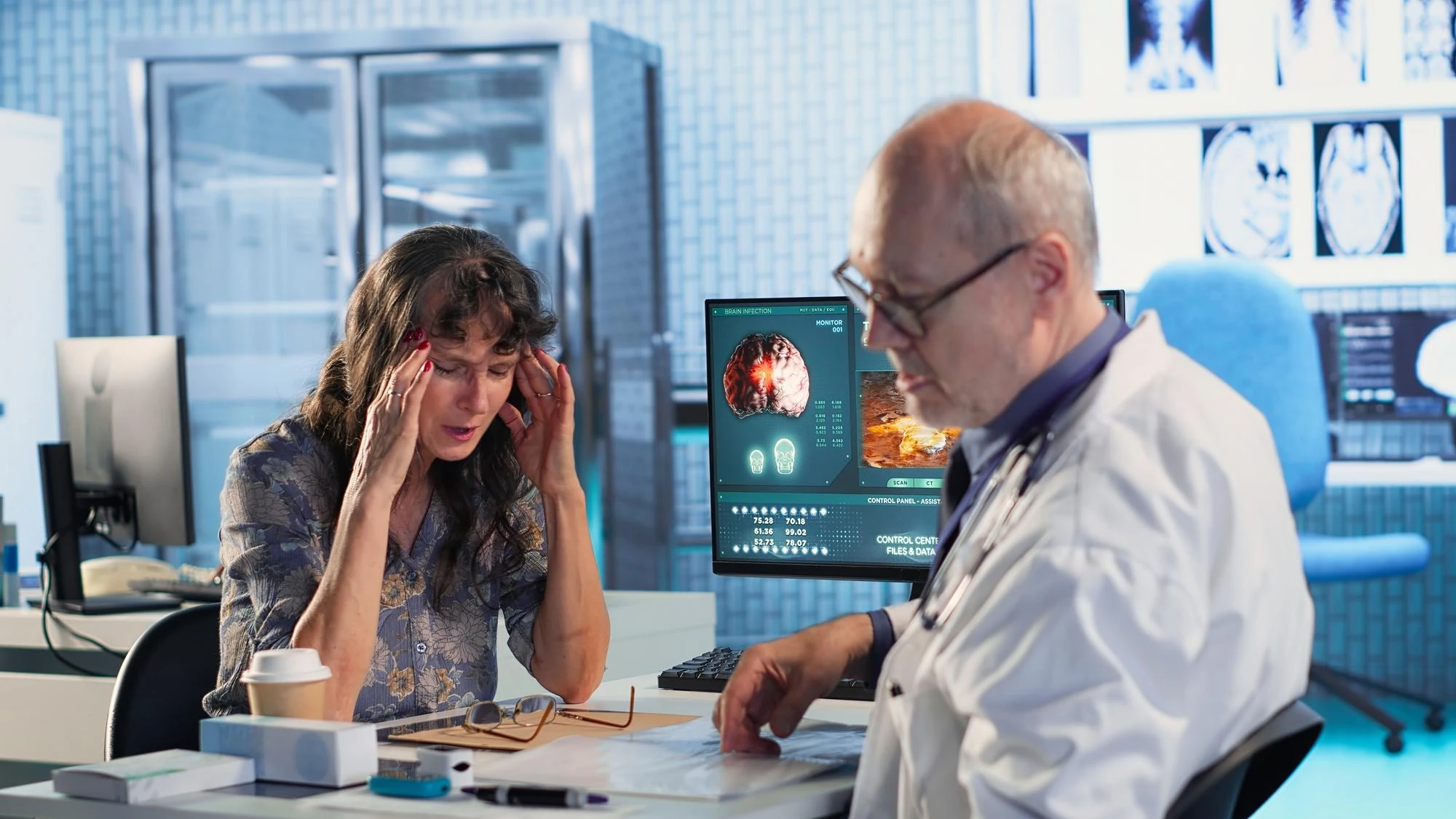
Medical care may include pain management and assessment for conditions that require additional treatment.
- Clinical assessment
- Appropriate pain relief
- Referral when needed
Ayurvedic Support
Traditional approaches may include individualized movement, massage, or other practices. Discuss them with a qualified professional when pain is persistent.
- Gentle movement
- Supportive routines
- Qualified guidance
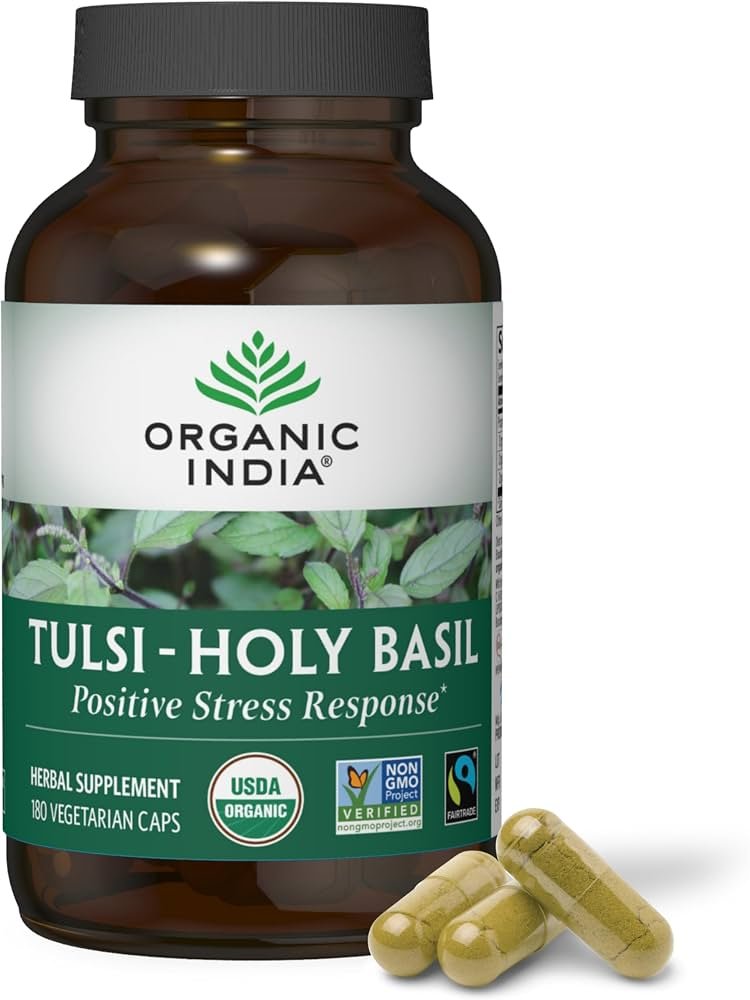
Herbal Support
Some topical or oral herbal products are marketed for pain, but evidence and interactions vary.
- Product safety review
- Topical support where appropriate
- Professional advice
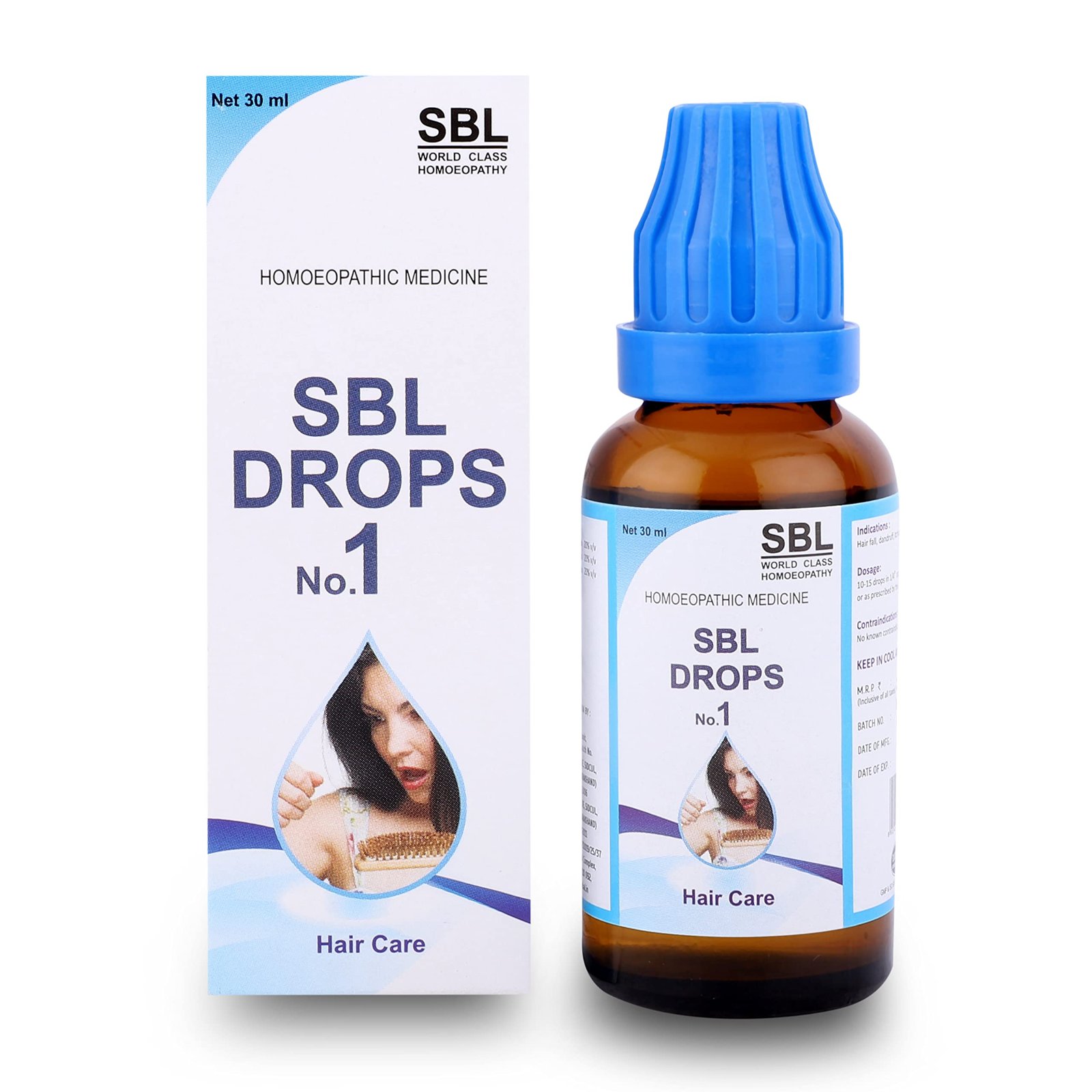
Homeopathic Support
Homeopathic products should not replace assessment of neurological symptoms or serious back pain.
- Complementary use
- Symptom monitoring
- Medical review
Exercise & Lifestyle
Active recovery and healthy routines are central to many back-pain rehabilitation plans.
- Strengthening
- Mobility exercises
- Activity breaks
- Healthy weight

At a Glance

Also Known As
Physical rehabilitation

Duration
Varies by condition

Treatable
Often manageable

Requires Doctor Consultation
For red flags or persistent pain
Lifestyle Changes
Recommended