
Prevalence
Common worldwide

Common in
Children, Adults & Seniors
Category
Nutrition & Wellness
ICD-10 Code
E55.9
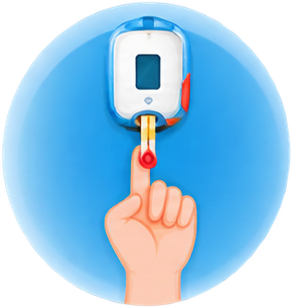
Type 1 Diabetes
The body does not produce insulin. It usually develops in children, teenagers or young adults.

Type 2 Diabetes
The body does not use insulin well. It is the most common type and usually develops in adults.
Gestational Diabetes
High blood sugar that develops during pregnancy and usually disappears after delivery.

Older age
Low dietary intake

Malabsorption conditions

Certain medicines
Higher body weight
Dark skin
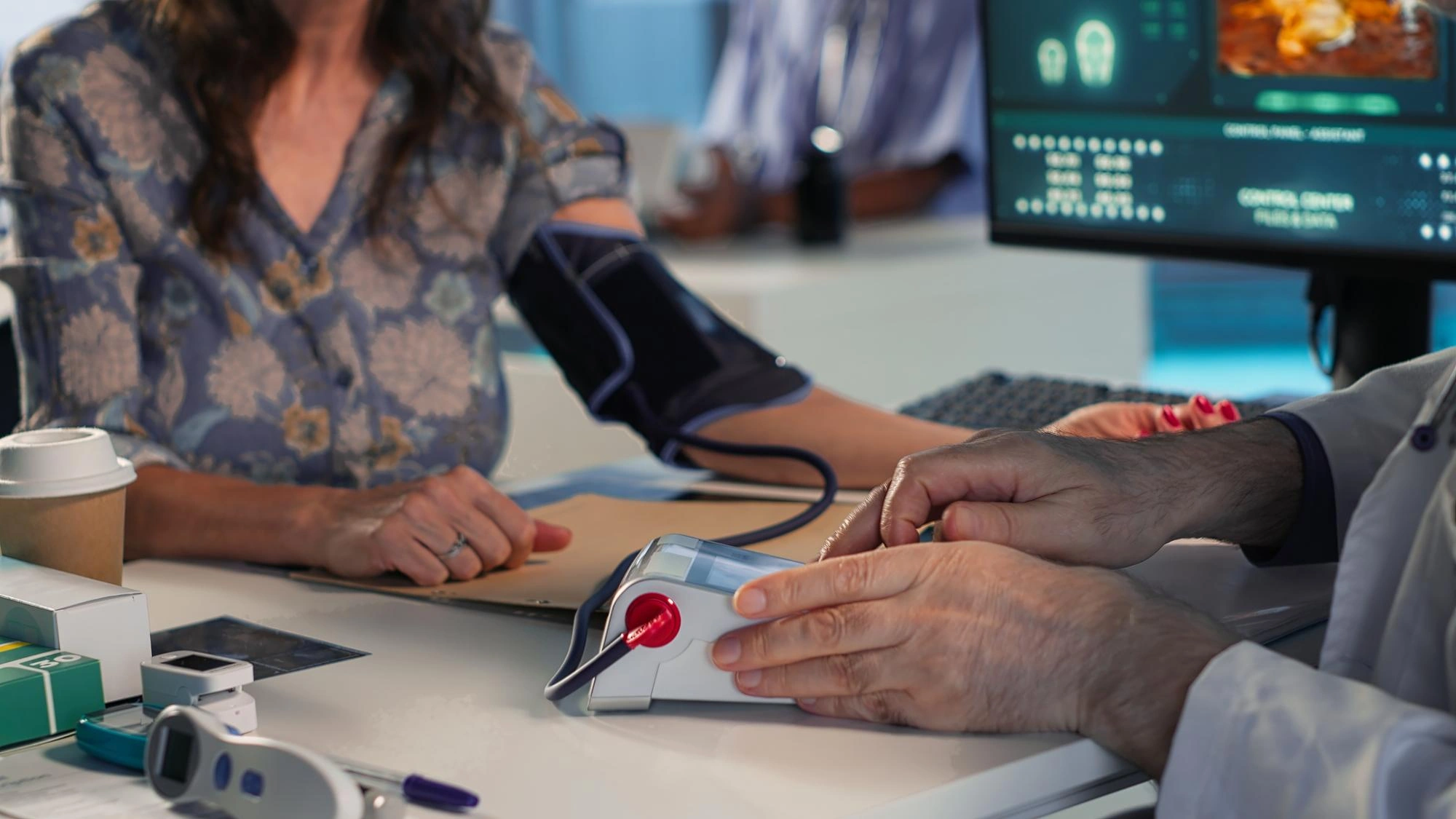
Medical Treatment
Clinician-guided vitamin D supplementation can restore levels when deficiency is confirmed.
- Vitamin D supplementation
- Follow-up testing when needed
- Cause assessment
Ayurvedic Support
Traditional nutrition and lifestyle practices may support general wellness, but confirmed deficiency should be managed with appropriate evidence-based care.
- Balanced nutrition
- Outdoor activity
- Qualified advice
Herbal Support
Herbal products are not substitutes for vitamin D supplementation when deficiency is confirmed.
- Dietary support
- Safety review
- Professional guidance

Homeopathic Support
Homeopathic products should not replace vitamin D testing or medically recommended supplementation.
- Complementary use
- Monitoring
- Medical advice

Nutrition & Lifestyle
Nutrition and appropriate outdoor activity can support vitamin D status.
- Vitamin-D-containing foods
- Fortified foods
- Safe outdoor activity

At a Glance

Also Known As
Low vitamin D

Duration
May be long-term

Treatable
Yes

Requires Doctor Consultation
For confirmed or suspected deficiency
Lifestyle Changes
Recommended